save
$27.01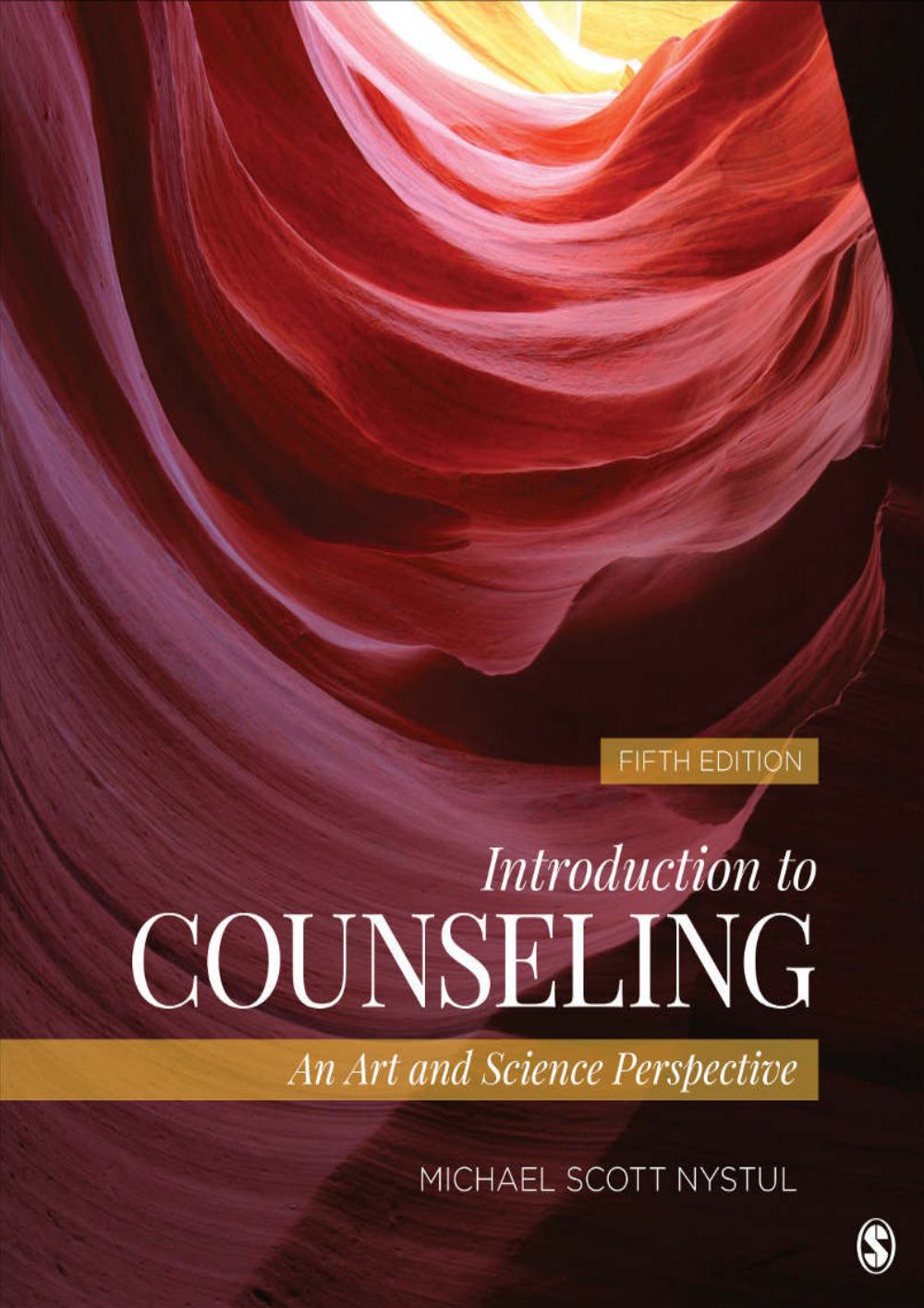
Introduction to Counseling: An Art and Science Perspective, 5th Edition
Get the Fifth Edition of Introduction to Counseling by Nystul – the essential art-and-science guide for counseling students. Order your digital copy now.
Want to preview before you buy? Click Request Free Sample and tell us which chapter or pages you’d like to see, along with your email address. We’ll send you those pages from the eBook so you can be sure it’s the right one before buying.
- Instant download & lifetime access Available as soon as your payment is confirmed. Your download link is also sent to the email address you provide at checkout, and you can download your purchased eBook anytime from My Account → Downloads with unlimited downloads. An account is created automatically using the same email address.
- Own your eBook Receive the available PDF/EPUB file directly after purchase. No rental or temporary access — download and keep your eBook for personal use with lifetime access.
- Full refund guarantee If the eBook you receive does not match the details and description provided on the product page, contact [email protected] and we’ll issue a full refund within 24 hours.
- Secure payment through PayPal Pay securely by debit or credit card or with your PayPal account. Your card details are processed by PayPal and are never stored on our site.
$24.99$52.00
The Problem This Book Solves
Entering the field of counseling can feel overwhelming. Students face a maze of theories, ethical codes, multicultural considerations, and practical skills—all while trying to develop a coherent professional identity. Many introductory textbooks present counseling as a purely technical science, leaving learners unprepared for the relational artistry that defines effective practice. Introduction to Counseling: An Art and Science Perspective bridges this gap by integrating the empirical rigor of the science of counseling with the humanistic creativity of its art, providing a balanced foundation that prepares you for real-world helping.
Introduction to Counseling: An Art and Science Perspective (Fifth Edition) by Nystul at a Glance
Introduction to Counseling is a comprehensive textbook that offers an overview of the counseling profession and the broader helping professions. Written by Michael Scott Nystul and published by SAGE Publications, Inc., this Fifth Edition (2016) presents counseling as both an art and a science. The text covers essential topics including major counseling theories, the therapeutic relationship, multicultural competency, ethical and legal issues, assessment and diagnosis, and career development. It is designed to equip students with the knowledge and skills needed to become effective, culturally responsive practitioners.
The book’s distinctive art-and-science framework ensures that readers not only understand evidence-based techniques but also develop the interpersonal sensitivity and self-awareness required to apply them flexibly. Each chapter integrates theory with practical application, case examples, and reflective exercises.
Who Should Read This Book?
This textbook is ideal for undergraduate and graduate students enrolled in introductory counseling courses within psychology, social work, human services, and related helping professions. It also serves as a valuable reference for early-career counselors seeking to reinforce their foundational knowledge. If you are pursuing licensure as a professional counselor, a school counselor, or a marriage and family therapist, this book provides the theoretical grounding and practical insights you need. Educators teaching introductory counseling courses will find the structured approach and pedagogical features—such as learning objectives, discussion questions, and online resources—well suited for course adoption.
Skills You Will Gain
- Foundations of the Counseling Profession: Understand the history, roles, and settings of counselors, and how the field has evolved to emphasize both art and science.
- Major Counseling Theories: Gain working knowledge of psychodynamic, humanistic, cognitive-behavioral, systemic, and postmodern approaches, along with their applications.
- Multicultural Competence: Develop awareness, knowledge, and skills to work effectively with clients from diverse cultural, ethnic, and socioeconomic backgrounds.
- Ethical and Legal Issues: Navigate the ACA Code of Ethics, confidentiality, informed consent, boundaries, and ethical decision-making models.
- The Helping Relationship: Master core conditions (empathy, unconditional positive regard, genuineness) and advanced relationship-building techniques.
- Assessment, Diagnosis, and Treatment Planning: Learn to use diagnostic tools (DSM-5), conduct clinical interviews, and create evidence-based treatment plans tailored to client needs.
Why Choose This Edition
Most introductory counseling texts either overemphasize theory at the expense of practice or reduce counseling to a checklist of techniques. Nystul’s art-and-science perspective is unique in the market. It acknowledges that effective counseling requires both a solid scientific foundation and the creative, intuitive skills that come from self-reflection and supervised experience. Unlike competing titles such as Corey’s Theory and Practice of Counseling and Psychotherapy (which focuses almost exclusively on theory) or Egan’s The Skilled Helper (which emphasizes a problem-management model), this book offers a broader, integrated view that prepares students for the complexity of real-world practice. The Fifth Edition includes updated content on trauma-informed care, neuroscience applications, and the integration of technology in counseling—topics that are increasingly relevant but often absent from older editions of rival texts.
Furthermore, the publisher SAGE is renowned for producing high-quality academic resources with robust instructor support, including test banks, PowerPoint slides, and video resources. This makes the book not only a student-friendly learning tool but also a teaching asset for professors.
Who Wrote This Book
Michael Scott Nystul brings decades of experience as a counselor educator and practitioner to this text. He has taught at multiple universities and has authored numerous articles and books on counseling, play therapy, and multicultural issues. His academic background and clinical practice lend the book a rare combination of theoretical depth and practical wisdom. SAGE Publications, Inc. is a leading independent academic publisher known for rigorous peer review and commitment to advancing the social sciences. Their imprint on this Fifth Edition guarantees a high standard of accuracy, readability, and pedagogical design.
The Bottom Line
Yes. For any student serious about entering the helping professions, this textbook is an indispensable investment. It covers the breadth of the field without sacrificing depth, and its art-and-science framework encourages the kind of reflective practice that distinguishes excellent counselors from merely competent ones. The Fifth Edition’s updates ensure relevance to contemporary practice, including expanded coverage of multiculturalism and social justice. Compared to the cost of later editions or competing texts, this edition offers exceptional value—especially in digital format, where you can access the full content immediately and search across chapters with ease. Whether you are a graduate student preparing for licensure exams or an undergraduate exploring the profession, this book will serve as a trusted companion throughout your training and beyond.
Download Introduction to Counseling: An Art and Science Perspective (Fifth Edition) by Nystul Now
You are investing in your future as a counselor. The Fifth Edition of Introduction to Counseling: An Art and Science Perspective gives you the balanced, comprehensive education you need to start your journey with confidence. With the convenience of a digital copy, you can study anytime, anywhere, and refer back to key concepts as you progress through your program. Order your digital copy today and join thousands of students who have built their professional identity on this trusted resource from SAGE Publications.
Related products

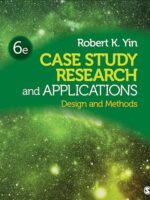
Case Study Research and Applications: Design & Methods, 6e
$19.99Master case study research with the definitive Sixth Edition of Case Study Research and Applications: Design and Methods. Order now for instant access.
$48.00-
Ethical Dilemmas and Decisions in Criminal Justice, 10th Edition
$30.00Master ethical decision-making in criminal justice with this comprehensive guide to real-world dilemmas in policing, courts, and corrections.
$78.00 -
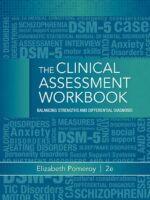
Clinical Assessment Workbook: Balancing Strengths and Differential Diagnosis 2nd Edition
$30.99Master clinical assessment with a strengths-based, DSM-5-aligned workbook. Hands-on cases and worksheets build differential diagnosis skills.
$75.00 -
The Certification of Insanity: Local Origins and Imperial Consequences
$39.99The first systematic study of lunacy certification in the British Empire, examining local origins and imperial consequences through legal and archival sources.
$132.00 -
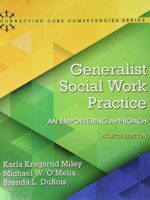
Generalist Social Work Practice: An Empowering Approach (8th Edition) – Pearson
$27.99Master empowerment-focused social work with this widely adopted 8th edition. Build client strengths, navigate multi-level systems, and pass your licensure exam with confidence.
$75.00 -
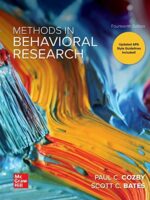
Methods in Behavioral Research 14th Edition – Cozby & Bates
$28.00Master behavioral research methods with Cozby & Bates’ 14th edition. SmartBook support, clear examples, and proven pedagogy. Get your digital copy today!
$51.00 -
Constitutional Law for a Changing America: Rights, Liberties, and Justice 10th Edition
$14.99Understand how political forces shape Supreme Court rulings on rights, liberties, and justice with this acclaimed 10th edition textbook by Epstein and Walker.
$29.00 -
Applied Sport Psychology 7e: Personal Growth to Peak
$29.99Achieve peak performance with Applied Sport Psychology 7e. Master proven psychological techniques for personal growth. Get your digital copy today.
$59.00