save
$20.01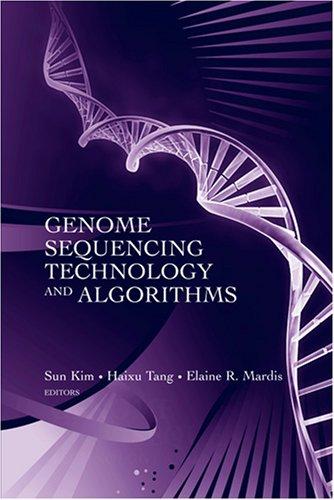
Genome Sequencing Technology and Algorithms – Essential Bioinformatics Guide
Master genome sequencing algorithms with this essential guide. Covers assembly, alignment, and variant calling for bioinformatics professionals.
$17.99$38.00
The Problem This Book Solves
The exponential growth of genomic data has created an urgent need for robust, efficient algorithms to process, assemble, and interpret sequences. Without a solid grasp of the underlying computational methods, researchers and bioinformaticians risk misinterpreting results, wasting time on suboptimal pipelines, and failing to extract meaningful biological insights. Genome Sequencing Technology and Algorithms directly addresses this challenge by bridging the gap between sequencing technology and the algorithmic foundations required to analyze high-throughput data.
This authoritative volume equips readers with the core principles of sequence assembly, read mapping, variant detection, and genome annotation—skills that are indispensable in modern genomics. Whether you are new to the field or seeking to deepen your expertise, this book provides the conceptual toolkit to tackle real-world sequencing projects with confidence.
Genome Sequencing Technology and Algorithms – Essential Bioinformatics Guide at a Glance
Genome Sequencing Technology and Algorithms is a comprehensive reference edited by Sun Kim, Haixu Tang, and Elaine R. Mardis, published by Artech House in 2008. The book systematically covers the computational techniques that power DNA sequencing analysis, from base calling and sequence assembly to comparative genomics and data management. It serves as both a textbook for graduate students and a practical guide for professionals working in genomics, bioinformatics, and computational biology.
The volume is organized around the central challenges of next-generation sequencing (NGS): handling massive datasets, correcting sequencing errors, assembling genomes de novo or by reference, identifying genetic variants, and annotating functional elements. Each chapter is written by experts who provide both theoretical foundations and practical algorithmic strategies, making it a durable resource even as sequencing technologies evolve.
Who Will Benefit Most
This book is designed for a technical audience with some background in molecular biology and programming. It is ideal for:
- Bioinformatics researchers who need to understand the algorithms behind popular tools like BWA, SAMtools, and Velvet.
- Graduate students in computational biology, genomics, or bioinformatics programs seeking a rigorous introduction to sequencing algorithms.
- Genomics scientists who want to move beyond black-box pipelines and grasp the underlying methodology.
- Data scientists transitioning into life sciences who require domain-specific algorithmic knowledge.
- Sequencing core facility staff responsible for processing and analyzing NGS data.
- Computational biologists working on genome assembly, variant calling, or metagenomics.
- Educators designing courses on bioinformatics algorithms and genome analysis.
Inside: What You Will Master
This book covers the essential algorithmic concepts that underpin modern genome sequencing analysis. By working through its chapters, you will gain proficiency in:
- Sequence assembly algorithms – both de Bruijn graph and overlap-layout-consensus approaches for de novo assembly.
- Read mapping and alignment – efficient algorithms for aligning millions of short reads to a reference genome.
- Base calling and quality scoring – how raw signal data from sequencing platforms is converted into nucleotide sequences with confidence scores.
- Variant detection – methods for identifying single nucleotide polymorphisms (SNPs), insertions/deletions (indels), and structural variants.
- Genome annotation – computational prediction of genes, regulatory elements, and non-coding features.
- Data structures for genomics – suffix arrays, hash tables, and FM-indexes used in sequence analysis.
- Comparative genomics – algorithms for whole-genome alignment, phylogeny reconstruction, and evolutionary analysis.
What Sets It Apart
While many bioinformatics books focus either on biology or on programming, Genome Sequencing Technology and Algorithms uniquely integrates both perspectives with a strong emphasis on the algorithmic reasoning behind each analysis step. Unlike general textbooks that quickly become outdated, this volume’s focus on fundamental computational principles ensures its relevance long after specific software versions have changed.
Compared to titles like Biological Sequence Analysis (Durbin et al.) or Bioinformatics Algorithms (Compeau & Pevzner), this book offers a more targeted treatment of sequencing-specific challenges—such as handling mate-pair libraries, resolving repeats, and dealing with sequencing errors—that are critical in practice but often glossed over elsewhere. The editors have assembled contributions from leading practitioners, giving readers insights directly from the researchers who developed many of the algorithms in widespread use today.
About the Author
The editors of this volume are recognized authorities in genomics and bioinformatics. Sun Kim is a professor at Indiana University with extensive research in sequence assembly and comparative genomics. Haixu Tang is also at Indiana University, specializing in computational biology and algorithm design. Elaine R. Mardis is a renowned genome scientist who has led major sequencing projects and contributed to the development of next-generation sequencing technologies. Their combined expertise ensures that the content is both accurate and practically relevant.
Artech House is a respected publisher of technical books in engineering and computer science, known for producing high-quality reference works for professionals and academics. The publisher’s rigorous peer-review process adds an additional layer of trustworthiness to the material.
Final Assessment
Yes, absolutely. Despite being published in 2008, this book remains a valuable resource because it focuses on algorithmic fundamentals that are independent of any specific sequencing platform. The core concepts of assembly, alignment, and variant calling are timeless, and the book’s clear explanations make it an excellent starting point for anyone serious about computational genomics.
Where other texts quickly show their age by referencing deprecated tools, this book’s emphasis on principles means that readers can adapt their knowledge to any new technology. For bioinformatics professionals who want a deep, principled understanding rather than a superficial how-to guide, Genome Sequencing Technology and Algorithms is a sound investment.
Start Reading Genome Sequencing Technology and Algorithms – Essential Bioinformatics Guide Today
Whether you are a graduate student building your foundation, a researcher tackling your first genome assembly, or a seasoned bioinformatician seeking to solidify your algorithmic knowledge, this book delivers the conceptual clarity you need. Order your digital copy today and gain instant access to a trusted reference that will sharpen your analytical skills and elevate your work in genomics.
Published by Artech House, this edition continues to serve as a benchmark for algorithmic rigor in sequencing analysis. Add it to your library now and start mastering the algorithms that drive genome science.
Related products

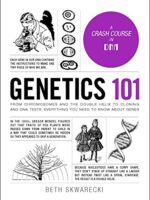
Genetics 101: From Chromosomes and the Double Helix to Cloning and DNA Tests
$14.99Master the science of heredity with Genetics 101—a clear, jargon-free guide from chromosomes to DNA tests, perfect for students and curious minds.
$32.00-
Animals Prepare for Winter (How & Why): A Complete Guide
$9.00Discover how terns, chipmunks, bears, and more survive winter in this engaging nonfiction reader for ages 6–8. Get your copy today!
$16.00 -
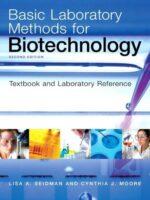
Basic Laboratory Methods for Biotechnology: Textbook and Laboratory Reference, 2nd Edition
$27.99Master essential biotechnology lab techniques with this comprehensive textbook and reference. Covers molecular biology, quality systems, safety, and more. Get your copy now.
$80.00 -
Essential Insect Physiology for Undergraduates
$23.99Learn insect physiology without biochemistry. This CRC Press ebook covers molting, flight, immunity, genome editing. For undergraduates.
$53.00 -
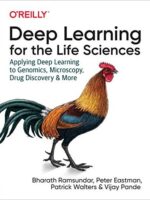
Deep Learning for the Life Sciences: Apply DL to Genomics & Drug Discovery
$15.99Learn to apply deep learning to genomics, microscopy, drug discovery, and more with this practical O’Reilly guide. Get your copy now.
$48.00 -
A General Textbook of Entomology, Ninth Edition – Imms
$49.99A General Textbook of Entomology, Ninth Edition – the definitive classic by A. D. Imms covering insect anatomy, physiology, and classification. Own the authoritative reference today.
$149.00 -
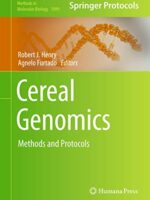
Cereal Genomics: Methods and Protocols – Essential Lab Protocols for Plant Researchers
$12.99Master cereal genome analysis with Springer’s definitive protocols for DNA/RNA extraction, gene isolation, and transformation. Essential for plant researchers.
$27.00