save
$13.01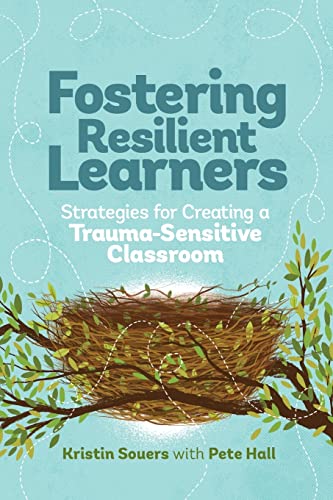
Fostering Resilient Learners: Trauma-Sensitive Classroom Strategies
Get Fostering Resilient Learners: Strategies for Creating a Trauma-Sensitive Classroom. Practical, evidence-based strategies to build resilience and transform your teaching.
$11.99$25.00
The Gap This Book Fills
Every day, educators face students who are distracted, withdrawn, or explosive—often without understanding why. The root cause is frequently childhood trauma, which disrupts brain development, emotional regulation, and the ability to learn. Traditional discipline methods fail because they punish behaviors without addressing their source.
Fostering Resilient Learners tackles this urgent issue head-on, offering a practical framework for creating a trauma-sensitive classroom where every student can feel safe, connected, and ready to learn. This book is not about becoming a therapist; it’s about understanding the impact of trauma and adjusting your teaching approach to build resilience.
Inside Fostering Resilient Learners: Trauma-Sensitive Classroom Strategies: A Full Overview
Fostering Resilient Learners: Strategies for Creating a Trauma-Sensitive Classroom is a 2016 ASCD publication by Kristin Souers and Pete Hall. The book provides a comprehensive, accessible guide for educators who want to support students impacted by trauma without adding more to their already heavy workload.
At its core, the book emphasizes that relationships are the foundation of learning. Souers and Hall introduce a framework built on five key pillars: understanding trauma, self-awareness, relationship building, belief in every student’s potential, and self-care for educators. The authors argue that by shifting from a mindset of “what’s wrong with you?” to “what happened to you?”, teachers can transform their classrooms into safe havens where resilience flourishes.
The book is structured to be immediately applicable, with real-world examples, reflection questions, and practical strategies that can be implemented the very next day. It is a blend of psychological insight and educational practice, designed for K-12 teachers, administrators, and support staff.
Who Will Benefit Most
This book is essential reading for anyone who works with children in an educational setting. It is particularly valuable for:
- Classroom teachers in K-12 schools who encounter challenging behaviors daily
- School counselors, psychologists, and social workers seeking a common framework to share with staff
- School administrators and principals looking to create a school-wide culture of trauma sensitivity
- Preservice teachers in education programs who want to be prepared for the realities of modern classrooms
- Paraprofessionals, instructional aides, and support staff who interact with students regularly
- After-school program coordinators and youth mentors working with at-risk populations
Whether you are a veteran educator or just starting your career, the strategies in this book will deepen your understanding of student behavior and equip you with tools to make a meaningful difference.
Inside: What You Will Master
This book goes beyond theory to deliver actionable strategies. Here are seven key takeaways you’ll gain:
- Understand the science of trauma: Learn how adverse childhood experiences (ACEs) affect brain development and learning capacity.
- Adopt a new mindset: Shift from a deficit-based view to a strengths-based, trauma-informed perspective.
- Build strong, trusting relationships: Discover practical techniques to connect with even the most challenging students.
- Regulate your own emotions: Develop self-awareness to manage your reactions and avoid triggering student stress responses.
- Create a physically and emotionally safe classroom: Implement simple environmental and relational changes that reduce anxiety and increase engagement.
- Believe in every student’s potential: Learn how to communicate high expectations while providing the support needed to meet them.
- Prioritize self-care: Understand why your own well-being is crucial to your effectiveness and learn sustainable self-care strategies.
Each chapter is filled with vignettes, prompts, and actionable steps that make implementation straightforward.
Why This Book Stands Out
Many books on trauma-informed education are either too academic or too superficial. Fostering Resilient Learners strikes the perfect balance, offering a practical yet evidence-based approach that respects the realities of the classroom.
Unlike clinical manuals that focus on diagnosis and treatment, this book is written by educators, for educators. Kristin Souers, a mental health counselor, and Pete Hall, a former principal, combine their expertise to create a resource that is both compassionate and pragmatic. They do not ask teachers to become therapists; instead, they provide a framework that integrates trauma sensitivity into everyday teaching practice.
Compared to other popular titles on trauma-informed teaching, this book stands out for its emphasis on the educator’s own self-awareness and self-care. While many resources focus solely on student behavior, Souers and Hall recognize that a teacher’s emotional state directly impacts the classroom climate. This holistic approach is a significant differentiator and a key reason why this book has become a cornerstone in professional development programs across the country.
Behind the Book
The credibility of Fostering Resilient Learners is anchored in the expertise of its authors and the reputation of its publisher. Kristin Souers is a licensed mental health counselor with over 20 years of experience working with children and families in schools. Pete Hall is a former school principal and a highly respected author and consultant on educational leadership.
Together, they bring a dual perspective that is rare in the field: one deeply rooted in psychological support, the other in school administration. This combination ensures the book is not only theoretically sound but also practical and feasible within the constraints of a real school environment.
Published by ASCD (Association for Supervision and Curriculum Development), a leading professional organization for educators, this book carries the weight of an institution known for producing high-quality, research-based resources. The 2016 edition has been widely adopted by schools and universities, further cementing its status as a trusted reference.
Final Assessment
In a word: absolutely. This book is not just a worthwhile investment—it is a transformative one. For the cost of a few coffees, you gain access to a framework that can change the trajectory of your most vulnerable students.
The strategies are immediately implementable, the writing is engaging and clear, and the potential impact on student outcomes is profound. Whether you are a new teacher overwhelmed by challenging behaviors or a veteran educator looking to refine your approach, this book offers the tools you need to foster resilience in your students and yourself.
While the book is grounded in research, it is refreshingly free of jargon, making it accessible to all educators. The reflection questions at the end of each chapter also make it an excellent choice for book studies or professional learning communities.
Our verdict: This is a must-have resource for any educator committed to creating a safe, supportive, and effective learning environment.
Get Your Copy Today
Your students are counting on you. Every day, they walk into your classroom carrying invisible burdens that affect their ability to learn and thrive. With Fostering Resilient Learners, you can become the safe harbor they need—the educator who not only teaches content but also builds resilience.
Whether you are a classroom teacher, a school leader, or a preservice educator, this book will equip you with the understanding and strategies to make a lasting difference. The 2016 ASCD edition is available now, and the insights it contains are timeless.
Don’t wait to make a positive change in your classroom. Order your copy of Fostering Resilient Learners today and start building a trauma-sensitive classroom where every student can succeed. Your students deserve it—and so do you.
Related products

Ultimate Guide to CGRC Certification: Prepare with Domain Insights & Test Strategies
$23.99Master every CGRC domain with structured insights, practice questions, and test strategies — pass the ISC2 exam on your first attempt.
$45.00-
Airline Transport Pilot Test Prep 2020: FAA ATP Study Guide & Prepware
$15.99Pass your Airline Transport Pilot (ATP) knowledge test with the 2020 edition of the most trusted training resource. Over 900 exam questions included.
$49.00 -
Mindsets in the Classroom Updated Edition: Build a Growth Mindset Learning Community
$12.99Transform your classroom with growth mindset strategies from Mary Cay Ricci’s updated edition. Order now to foster student resilience and achievement.
$27.00 -
Nonprofit Management: Principles and Practice (5th Edition)
$22.99Master nonprofit leadership with this comprehensive 5th edition—updated research, real-world cases, and actionable frameworks for students and professionals.
$65.00 -
Applying Career Development Theory to Counseling, 6th Edition
$15.99Get the 6th edition of Sharf’s Applying Career Development Theory to Counseling and master career counseling techniques with real-world applications.
$45.00 -
Becoming a Helper 7th Edition – Corey & Corey Cengage MindTap
$20.99Becoming a Helper 7th Edition: The trusted guide to mastering the helping process—self-awareness, ethics, and core skills for counseling and human services students.
$52.00 -
Learning Supercharged: Digital Age Strategies and Insights from the EdTech Frontier (First Edition)
$9.99Transform your classroom with innovative edtech strategies from Learning Supercharged. Buy the first edition now for actionable insights and real-world stories from educators.
$26.00 -
Assessment in Counseling: Procedures and Practices 6th Edition
$18.99Master psychological assessment with this ACA-published guide. Learn test selection, interpretation, and communication for ethical, effective counseling practice.
$57.00