save
$14.01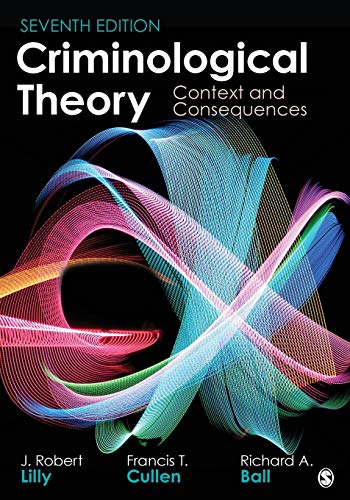
Criminological Theory: Context and Consequences 7th Edition eBook
Master criminological theory with the Seventh Edition of Lilly, Cullen & Ball’s classic text—context, consequences, and cutting-edge scholarship in one essential eBook.
$10.99$25.00
The Problem This Book Solves
Most people think they understand why crime happens. They point to broken families, poverty, or moral decay. But these surface-level explanations miss the deeper, structural forces that shape criminal behavior—and worse, they lead to failed policies and wasted resources. Criminological Theory: Context and Consequences demolishes these myths by grounding readers in the rigorous frameworks scholars use to analyze crime, from classical rational choice to critical criminology.
Without a systematic understanding of criminological theory, students, researchers, and criminal justice professionals risk building their work on shaky foundations. This Seventh Edition equips you with the intellectual tools to evaluate competing explanations of crime, understand their historical roots, and apply them to real-world problems—whether you’re preparing for a career in law enforcement, law, social work, or academia.
Inside Criminological Theory: Context and Consequences 7th Edition eBook: A Full Overview
Criminological Theory: Context and Consequences is a comprehensive textbook that traces the evolution of criminological thought from its 18th-century origins to contemporary perspectives. Written by J. Robert Lilly, Francis T. Cullen, and Richard A. Ball—three of the most respected scholars in the field—the book moves readers beyond commonsense assumptions about crime to a deep, evidence-based understanding of how and why criminal behavior occurs.
This Seventh Edition, published by SAGE Publications, Inc. in 2019, offers updated coverage of biosocial theories, life-course criminology, and the impact of social inequality on crime. The book examines not only the context in which theories emerge (the social, political, and economic forces that shape them) but also their consequences—how they influence policy, policing, corrections, and public opinion.
Who Will Benefit Most
This text is designed for undergraduate and graduate students in criminology, criminal justice, sociology, and related social sciences. It also serves as an essential reference for criminal justice practitioners—police officers, probation officers, correctional staff, and policy analysts—who need to ground their daily decisions in sound theory.
If you are a student struggling to connect abstract theories to real-world crime patterns, or a professional seeking a more sophisticated understanding of why interventions succeed or fail, this book is for you. The Seventh Edition is particularly valuable for courses that emphasize critical thinking and the practical application of theory to contemporary issues such as mass incarceration, racial disparities in justice, and white-collar crime.
Skills You Will Gain
- The historical evolution of criminological theory—from classical and positivist schools to modern biosocial, psychological, and sociological approaches
- How social context shapes theory development—understanding why certain theories gained prominence during specific historical periods
- The consequences of theory on crime policy—how theoretical perspectives influence everything from policing strategies to sentencing reform
- Critical evaluation of competing theories—learn to assess the strengths and weaknesses of each framework using empirical evidence
- Application of theory to real-world crime problems—including street crime, corporate crime, cybercrime, and state violence
Why Choose This Edition
Unlike other criminology textbooks that merely catalog theories in isolation, Lilly, Cullen, and Ball embed each perspective within its social, political, and economic context. This contextual approach reveals why certain ideas took hold at particular moments in history—for example, why social disorganization theory flourished in 1920s Chicago, or why control theory gained traction during the conservative turn of the 1980s.
The book also uniquely emphasizes the consequences of theory. Where competitors like Criminology: A Sociological Understanding by Steven Barkan or The Criminology of Place by Weisburd et al. focus narrowly on either theory or policy, this text bridges both worlds. It shows how theoretical assumptions directly shape the criminal justice system—from the war on drugs to restorative justice initiatives. The Seventh Edition adds fresh material on biosocial criminology, life-course and developmental theories, and the impact of neoliberalism on crime control.
Furthermore, the book’s accessible prose and structured organization make it ideal for both classroom use and self-study. Each chapter opens with clear learning objectives, includes summary tables that compare theories, and ends with discussion questions that promote critical thinking.
About the Author
J. Robert Lilly is Professor Emeritus of Sociology at Northern Kentucky University and has published extensively on the history of criminology, corrections, and comparative criminal justice. Francis T. Cullen is Distinguished Research Professor Emeritus at the University of Cincinnati and one of the most cited criminologists in the world, with landmark contributions to control theory and organizational offending. Richard A. Ball is Professor Emeritus of Sociology at West Virginia University, known for his work on critical criminology and the sociology of law.
Together, these authors bring over a century of combined teaching and research experience to the text. SAGE Publications, Inc. is a premier academic publisher with a reputation for rigorous peer review and high-quality educational resources. The Seventh Edition (2019) reflects the most current scholarship in the field, ensuring you are learning from the latest research rather than outdated perspectives.
Final Assessment
Yes—unequivocally. For any student or professional serious about understanding crime beyond the headlines, this book is an indispensable investment. Its unique focus on the context and consequences of theory provides a depth of insight that standard textbooks lack. The Seventh Edition’s updated content on biosocial and life-course criminology keeps it at the cutting edge of the discipline.
Moreover, the book’s practical relevance is undeniable. Whether you are preparing for a career in law enforcement, corrections, social work, or policy analysis, the ability to critically evaluate theoretical claims will set you apart. This is not a dry academic tome—it is a toolkit for making sense of one of society’s most pressing issues.
Download Criminological Theory: Context and Consequences 7th Edition eBook Now
You need a textbook that does more than list theories—you need one that shows you where they came from, why they matter, and how they shape the world. Criminological Theory: Context and Consequences, Seventh Edition delivers exactly that. As a student, researcher, or criminal justice professional, this book will sharpen your analytical skills and deepen your understanding of crime and justice.
Order your digital copy today and gain immediate access to the most respected introduction to criminological theory available. Published by SAGE Publications, Inc. in 2019, this Seventh Edition represents the latest scholarship in the field. Add to cart now and start building your theoretical foundation.
Related products

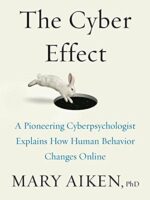
The Cyber Effect: A Forensic Cyberpsychologist on Technology’s Impact on Behavior, Children & Society
$8.99Get The Cyber Effect by Mary Aiken: a forensic cyberpsychologist’s groundbreaking look at how technology shapes behavior, children, and society. Order now.
$22.00-
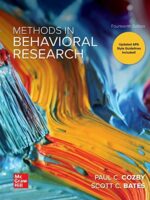
Methods in Behavioral Research 14th Edition – Cozby & Bates
$16.99Master behavioral research methods with Cozby & Bates’ 14th edition. SmartBook support, clear examples, and proven pedagogy. Get your digital copy today!
$51.00 -
ACA Ethical Standards Casebook, 7th Edition – Barbara Herlihy & Gerald Corey
$13.99Master the 2014 ACA Code of Ethics with real-world case studies from leading experts Herlihy & Corey. The essential guide for ethical counseling practice.
$34.00 -
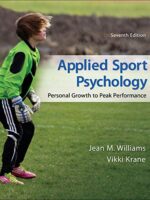
Applied Sport Psychology 7e: Personal Growth to Peak
$8.00Achieve peak performance with Applied Sport Psychology 7e. Master proven psychological techniques for personal growth. Get your digital copy today.
$11.00 -
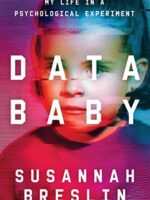
Data Baby: My Life in a Psychological Experiment – Susannah Breslin
$18.99In Data Baby, Susannah Breslin reveals her extraordinary life as a lab rat in a 30-year psychological study. Get your copy today!
$49.00 -
Case Study Research and Applications: Design & Methods, 6e
$15.99Master case study research with the definitive Sixth Edition of Case Study Research and Applications: Design and Methods. Order now for instant access.
$35.00 -
Becoming Qualitative Researchers: An Introduction (5th Edition) – Pearson eText
$12.00Master the fundamentals of qualitative research with this concise 5th edition guide—ideal for beginners. Get your copy and start your research journey today.
$20.00 -
Becoming a Helper 8th Edition – Marianne & Gerald Corey eBook
$27.99Start your helping career with Corey & Corey’s Becoming a Helper, 8th Edition eBook—self-reflection, ethics, diversity, and practical skills in one essential guide.
$69.00