save
$30.01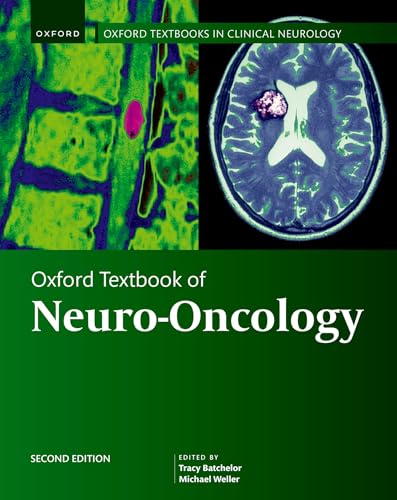
Oxford Textbook of Neuro-Oncology, Second Edition
The definitive 2025 reference for diagnosing and managing CNS tumours. Updated with WHO 2021 classification and latest clinical trials. Essential for neurologists, neurosurgeons, and oncologists.
$29.99$60.00
The Gap This Book Fills
Neuro-oncology is one of the most rapidly evolving fields in clinical medicine, yet clinicians and researchers often struggle to find a single, authoritative source that integrates molecular biology, modern imaging, surgical techniques, and systemic therapies. The Oxford Textbook of Neuro-Oncology directly addresses this gap by providing a comprehensive, evidence-based reference for the diagnosis, management, and treatment of tumours of the nervous system in both children and adults. Whether you are a neurologist, neurosurgeon, oncologist, or trainee, this text equips you with the knowledge needed to deliver optimal patient care in a field where precision and timeliness are critical.
Inside Oxford Textbook of Neuro-Oncology, Second Edition: A Full Overview
The Oxford Textbook of Neuro-Oncology, now in its Second Edition (published in 2025 by Oxford University Press), is part of the acclaimed Oxford Textbooks in Clinical Neurology series. Edited by world-renowned experts Tracy Batchelor and Michael Weller, this 400-page volume offers a systematic account of all major tumour types affecting the central and peripheral nervous systems. It covers epidemiology, pathology, molecular genetics, imaging, surgical management, radiotherapy, chemotherapy, targeted therapies, and supportive care. The second edition has been thoroughly updated to reflect the latest WHO classification of CNS tumours, recent clinical trial data, and advances in immunotherapy and precision oncology.
Who Is This Book For?
This textbook is designed for a multidisciplinary audience. It is ideal for:
- Clinical neurologists seeking a deep understanding of neuro-oncologic conditions encountered in practice.
- Neurosurgeons who require up-to-date knowledge on tumour biology and perioperative management.
- Medical and radiation oncologists specializing in CNS malignancies.
- Neuroradiologists interpreting advanced imaging techniques for tumour characterization.
- Neuropathologists correlating molecular markers with clinical outcomes.
- Fellows and residents in neurology, neurosurgery, and oncology preparing for board examinations.
- Researchers in translational neuro-oncology who need a solid clinical foundation.
Inside: What You Will Master
Reading this textbook will equip you with actionable knowledge across eight critical domains:
- Updated WHO classification of CNS tumours (5th edition, 2021) and its clinical implications.
- Molecular pathogenesis of gliomas, meningiomas, medulloblastomas, and other primary tumours.
- Evidence-based diagnostic algorithms integrating MRI, PET, and biopsy techniques.
- Surgical principles for maximal safe resection, including awake craniotomy and intraoperative mapping.
- Radiotherapy planning with advanced modalities such as IMRT, proton therapy, and stereotactic radiosurgery.
- Systemic therapy strategies including temozolomide, bevacizumab, targeted agents, and immunotherapy.
- Management of tumour-related complications such as seizures, venous thromboembolism, and cognitive decline.
- Supportive and palliative care approaches to improve quality of life for patients and families.
Why Choose This Edition
While other neuro-oncology texts exist, the Oxford Textbook of Neuro-Oncology stands out for several reasons. First, its multidisciplinary editorial team ensures balanced coverage from both North American and European perspectives. Second, the Second Edition is the most current comprehensive textbook available, incorporating data from recent phase III trials such as the CATNON, TAVAREC, and GEINO studies. Third, the book emphasizes practical management algorithms rather than just theoretical discussion, making it directly applicable to clinical decision-making. Competing titles like DeVita, Hellman, and Rosenberg’s Cancer: Principles & Practice of Oncology cover CNS tumours only as a chapter; this textbook devotes its entire 400 pages to neuro-oncology alone, providing unmatched depth.
About the Author
Tracy Batchelor, MD, is a Professor of Neurology at Harvard Medical School and a leading neuro-oncologist at Massachusetts General Hospital. Michael Weller, MD, is the Chairman of the Department of Neurology at the University Hospital Zurich and a past president of the European Association of Neuro-Oncology (EANO). Together, they bring decades of clinical experience and research leadership. The publisher, Oxford University Press, is one of the most respected academic publishers globally, known for its rigorous peer-review process and high editorial standards. The Oxford Textbooks in Clinical Neurology series is widely used in teaching hospitals and university libraries worldwide, ensuring that this volume meets the highest benchmarks of accuracy and reliability.
The Bottom Line
For any clinician or researcher serious about neuro-oncology, the Oxford Textbook of Neuro-Oncology, Second Edition is an essential investment. Its combination of comprehensive scope, up-to-date content, and practical orientation makes it a superior reference compared to older editions or fragmented online resources. The 400-page format strikes an ideal balance between depth and portability, allowing it to serve both as a study tool and a bedside reference. Given the rapid advances in the field, owning the 2025 edition ensures you are working with the latest evidence—a critical advantage when managing complex cases. We confidently recommend this textbook as the definitive resource in its category.
Download Oxford Textbook of Neuro-Oncology, Second Edition Now
Whether you are a practicing neuro-oncologist, a resident preparing for boards, or a researcher seeking a solid clinical foundation, this textbook delivers the knowledge you need to excel. The 2025 Second Edition from Oxford University Press is available now as a digital ebook for immediate access. Order your copy today and stay at the forefront of neuro-oncology practice.
Related products

Essentials of Epidemiology in Public Health, Fourth Edition
$14.99Master epidemiologic methods with this essential Fourth Edition textbook from Jones & Bartlett Learning, perfect for public health students and professionals.
$27.00-
Botulinum Toxin Procedures: A Practical Guide to – eBook
$12.99Master Botulinum Toxin Procedures with this practical guide. Step-by-step instructions, anatomy, and patient selection for safe, effective treatments.
$21.00 -
Davis’s Comprehensive Handbook of Laboratory & Diagnostic Tests, 8th Edition
$26.99Master every lab and diagnostic test with nursing implications you can trust. The 8th edition of Davis’s Comprehensive Handbook is your pocket-sized guide to accurate interpretation and safe patient care.
$56.00 -
Guide to the Most Common Internal Medicine Workups and Diseases: An Evidence-Based Hospital Reference
$33.99Master the most common hospital-based internal medicine workups with this evidence-based guide. Get the structured clinical reference you need for daily practice.
$65.00 -
55 Cases in Neurology: Case Histories and Patient Perspectives by Mark McCarron
$18.99Boost your neurological diagnostic skills with 55 real-world cases and patient perspectives from a 20-year veteran neurologist — the essential casebook for junior doctors and trainees.
$34.00 -
Handbook of MRI Scanning: Step-by-Step Protocols for Diagnostic Imaging
$24.99Master MRI scanning with this practical handbook by Burghart and Finn. Step-by-step protocols for high-quality diagnostic images. Order your copy today!
$56.00 -
Medication Fact Book for Psychiatric Practice, Fifth Edition
$14.99The Medication Fact Book for Psychiatric Practice, Fifth Edition: the essential, portable reference for dosing, costs, and side effects of common psychotropic drugs.
$29.00 -
General Thoracic Surgery, 7th Edition
$20.99Get the 7th edition General Thoracic Surgery eBook – the comprehensive two-volume guide to all open and endoscopic thoracic surgical procedures.
$37.00