save
$7.01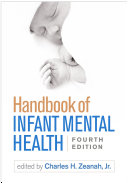
Handbook of Infant Mental Health Fourth Edition by Charles H. Zeanah Jr.
Get the definitive Handbook of Infant Mental Health, Fourth Edition by Charles H. Zeanah Jr. — the essential clinical resource for infant mental health professionals. Order your digital copy today.
$8.99$16.00
The Challenge It Addresses
Infant mental health is a rapidly evolving field, yet practitioners, researchers, and students often struggle to find a single, authoritative resource that integrates cutting-edge developmental science with evidence-based clinical practice. Without a comprehensive guide, clinicians risk relying on outdated models, missing early intervention opportunities, or failing to address the complex interplay of biological, psychological, and social factors in the first years of life. The Handbook of Infant Mental Health, Fourth Edition, solves this problem by offering a definitive, up-to-date synthesis of theory, research, and practical applications.
Inside Handbook of Infant Mental Health Fourth Edition by Charles H. Zeanah Jr.: A Full Overview
The Handbook of Infant Mental Health is a comprehensive reference work edited by Charles H. Zeanah, Jr., MD, a leading authority in infant psychiatry. This Fourth Edition, published by The Guilford Press in 2019, provides an in-depth examination of the emotional, cognitive, and social development of infants and toddlers, along with the assessment and treatment of mental health disorders in this age group. The book covers foundational concepts such as attachment theory, neurobiology, and risk factors, as well as practical guidance on intervention strategies, policy implications, and cultural considerations.
This edition includes updated research on brain development, the effects of trauma and adversity, and the role of early relationships in shaping lifelong mental health. It is designed for a multidisciplinary audience, including psychologists, psychiatrists, social workers, pediatricians, and early childhood educators.
Who Will Benefit Most
This book is essential for anyone who works with or studies young children and their families. It is specifically targeted toward:
- Clinical psychologists and psychiatrists seeking evidence-based approaches to infant and toddler mental health disorders
- Social workers and counselors involved in early intervention, home visiting, and family support programs
- Pediatricians and primary care providers who need to identify and address developmental and emotional concerns in routine practice
- Graduate students and researchers in developmental psychology, child psychiatry, and related fields
- Early childhood educators and policymakers interested in the science behind early childhood mental health and its implications for education and social policy
If your work touches the critical first three years of life, this handbook is a non-negotiable resource.
Inside: What You Will Master
This handbook delivers a wealth of actionable knowledge. Here are the core takeaways:
- Foundations of infant mental health: Understand the theoretical frameworks, including attachment theory, transactional models, and neurobiological underpinnings
- Assessment tools and techniques: Learn about validated instruments for evaluating infant development, parent-child interaction, and emotional functioning
- Common disorders and conditions: Gain detailed knowledge of regulatory disorders, attachment disorders, trauma-related conditions, and early-onset depression and anxiety
- Evidence-based interventions: Explore therapeutic approaches such as parent-infant psychotherapy, dyadic therapy, and home visiting programs
- Risk and protective factors: Identify the roles of genetics, prenatal exposure, poverty, maltreatment, and caregiver mental health in shaping outcomes
- Cultural and contextual considerations: Recognize how culture, race, and socioeconomic status influence infant mental health and service delivery
- Policy and systems integration: Understand how infant mental health principles can be embedded into healthcare, early childhood education, and child welfare systems
Why This Book Stands Out
While other texts cover aspects of early childhood development, the Handbook of Infant Mental Health stands alone in its breadth and depth. Unlike general developmental psychology textbooks, this volume is clinically focused, offering direct guidance for assessment and treatment. Compared to more narrowly focused works on attachment or neurodevelopment, it provides a holistic, integrated perspective that spans biology, psychology, and social context.
The Fourth Edition is completely revised to reflect the latest research, including advances in neuroimaging, epigenetics, and intervention science. No other single volume brings together such a distinguished group of contributors — leading experts in infant psychiatry, developmental psychology, and public health — under one cover. For professionals who need a single, authoritative reference, this handbook is the gold standard.
Who Wrote This Book
Editor Charles H. Zeanah, Jr., MD, is a Professor of Psychiatry and Pediatrics at the Tulane University School of Medicine and a globally recognized expert in infant mental health. He has authored hundreds of peer-reviewed articles and has served as the editor of the Infant Mental Health Journal. His clinical and research work focuses on the effects of early adversity, attachment, and interventions for maltreated infants.
The publisher, The Guilford Press, is a premier academic and professional publisher known for high-quality works in psychology, psychiatry, and related fields. Guilford’s rigorous editorial standards ensure that every chapter is evidence-based, peer-reviewed, and clinically relevant. This combination of editorial expertise and institutional credibility makes the handbook a trusted resource in university courses, hospital libraries, and clinical training programs worldwide.
Final Assessment
Absolutely. For any professional or student committed to improving outcomes for infants and families, this handbook is an indispensable investment. Its comprehensive coverage, expert authorship, and practical applicability justify its position as the leading reference in the field. Whether you are preparing for a certification exam, designing a training curriculum, or treating a complex clinical case, this book will serve as your most reliable guide.
Compared to the cost of multiple specialized texts, the handbook offers exceptional value by consolidating decades of research and clinical wisdom into a single volume. It is not just a book — it is a career-long resource that will deepen your understanding and enhance your practice.
Get Your Copy Today
If you are a clinician, researcher, or student dedicated to the mental health of our youngest population, this is the one book you need on your digital shelf. The Fourth Edition of the Handbook of Infant Mental Health delivers the latest science and best practices in a single, authoritative volume. Order your digital copy today and gain immediate access to the knowledge that will transform your work with infants and families. Trusted by professionals worldwide and published by The Guilford Press, this handbook is your definitive guide to infant mental health.
Related products

Handbook of MRI Scanning: Step-by-Step Protocols for Diagnostic Imaging
$24.99Master MRI scanning with this practical handbook by Burghart and Finn. Step-by-step protocols for high-quality diagnostic images. Order your copy today!
$56.00-
Medication Fact Book for Psychiatric Practice, Fifth Edition
$14.99The Medication Fact Book for Psychiatric Practice, Fifth Edition: the essential, portable reference for dosing, costs, and side effects of common psychotropic drugs.
$29.00 -
EMDR Therapy Third Edition: Basic Principles, Protocols, and Procedures by Francine Shapiro
$23.99Master EMDR therapy with this definitive third edition by Francine Shapiro. Learn the complete eight-phase protocol for treating PTSD and trauma effectively.
$44.00 -
Vascular Surgical Emergencies: Well-Prepared for Duty
$22.99Master 50 vascular surgical emergencies with proven diagnostic and therapeutic protocols. The 2026 Springer guide from Susanne Regus — essential for every vascular surgeon.
$40.00 -
Endurance Sports Nutrition 3rd Edition – Fueling for Peak Performance
$24.99Fuel your best performance with Endurance Sports Nutrition. This science-backed guide helps you train longer, recover faster, and avoid injury with personalized fueling strategies.
$54.00 -
HESI Admission Assessment Exam Review (Third Edition) – Study Guide
$29.99Prepare for the HESI Admission Assessment Exam with over 450 practice questions and comprehensive content review from Elsevier’s trusted Third Edition.
$66.00 -
55 Cases in Neurology: Case Histories and Patient Perspectives by Mark McCarron
$18.99Boost your neurological diagnostic skills with 55 real-world cases and patient perspectives from a 20-year veteran neurologist — the essential casebook for junior doctors and trainees.
$34.00 -
Essentials of Neuro-Psychiatry: A Classic Textbook of Nervous and Mental Disorders (1945)
$29.99Own a piece of medical history with this 1945 neuropsychiatry classic from Lea & Febiger. Essential for collectors and scholars. Add to cart today.
$60.00