
save
$52.01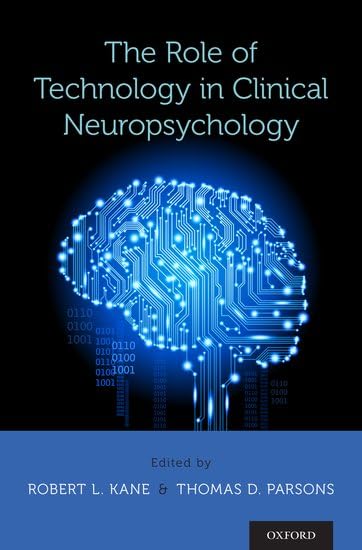
The Role of Technology in Clinical Neuropsychology
Discover how technology transforms cognitive assessment in The Role of Technology in Clinical Neuropsychology. Get the digital edition now for instant access to cutting-edge neuropsychology methods.
Want to preview before you buy? Click Request Free Sample and tell us which chapter or pages you’d like to see, along with your email address. We’ll send you those pages from the eBook so you can be sure it’s the right one before buying.
- Instant download & lifetime access Available as soon as your payment is confirmed. Your download link is also sent to the email address you provide at checkout, and you can download your purchased eBook anytime from My Account → Downloads with unlimited downloads. An account is created automatically using the same email address.
- Own your eBook Receive the available PDF/EPUB file directly after purchase. No rental or temporary access — download and keep your eBook for personal use with lifetime access.
- Full refund guarantee If the eBook you receive does not match the details and description provided on the product page, contact [email protected] and we’ll issue a full refund within 24 hours.
- Secure payment through PayPal Pay securely by debit or credit card or with your PayPal account. Your card details are processed by PayPal and are never stored on our site.
$33.99$86.00
Why This Book Matters
Clinical neuropsychology has long relied on paper-and-pencil tests that can be time-consuming, inconsistent across administrators, and limited in ecological validity. As healthcare moves toward digital and remote solutions, practitioners face a pressing need for validated technological tools that can enhance accuracy, efficiency, and accessibility in cognitive assessment. The Role of Technology in Clinical Neuropsychology confronts this gap head-on, providing a scholarly yet practical roadmap for integrating cutting-edge digital methods into everyday clinical practice.
This volume addresses the critical challenge of modernizing neuropsychological evaluation without sacrificing psychometric rigor. It systematically examines how emerging technologies—from computerized batteries to virtual reality environments—are reshaping the field and offers evidence-based guidance for clinicians, researchers, and educators navigating this transformation.
What Is The Role of Technology in Clinical Neuropsychology? A Complete Overview
The Role of Technology in Clinical Neuropsychology is an authoritative edited volume published by Oxford University Press in 2017. Edited by Robert L. Kane and Thomas D. Parsons, the book brings together contributions from leading scholars to survey the state of the art in technology-enhanced neuropsychological assessment. It explores how innovations such as mobile apps, teleneuropsychology platforms, computerized adaptive testing, and immersive virtual reality are being deployed to measure cognitive function more precisely and flexibly.
The book is organized around core themes: the rationale for integrating technology, the validation of digital instruments, practical implementation in clinical settings, and future directions. Each chapter reviews empirical evidence and offers concrete recommendations, making it an essential resource for anyone involved in neuropsychological assessment, whether in hospital, private practice, or research contexts.
Who Will Benefit Most
This book is designed for a professional audience committed to staying at the forefront of clinical practice. It is particularly valuable for:
- Clinical neuropsychologists seeking to modernize their assessment toolkit with validated digital instruments.
- Graduate students in neuropsychology and clinical psychology who need a thorough grounding in current and emerging assessment technologies.
- Researchers investigating computerized cognitive testing, teleneuropsychology, or virtual reality applications in neuroscience.
- Psychiatrists and neurologists who integrate cognitive evaluation into their diagnostic workups and want to understand new technological options.
- Healthcare administrators and policy makers interested in the scalability and cost-effectiveness of digital assessment in population health.
Skills You Will Gain
Readers of this volume will acquire actionable knowledge across multiple domains of technology-enhanced neuropsychology:
- The rationale for adopting technology—why traditional assessment methods fall short and how digital tools can improve validity and efficiency.
- How to select and validate computerized tests—criteria for evaluating psychometric properties and clinical utility of digital instruments.
- Applications of teleneuropsychology—best practices for remote cognitive assessment, including ethical and regulatory considerations.
- Use of virtual reality and mobile platforms—how immersive environments and smartphone-based apps capture real-world cognitive performance.
- Integration with electronic health records—strategies for streamlining data collection, scoring, and reporting.
- Challenges in implementation—addressing issues of access, training, technology literacy, and equity.
- Future trends and research priorities—emerging directions such as machine learning, wearable sensors, and passive data collection.
What Sets It Apart
While other texts cover computerized assessment or teleneuropsychology separately, this volume offers a uniquely comprehensive and integrated perspective. It bridges the gap between theoretical frameworks and practical application, with chapters written by pioneers who have developed and validated many of the tools discussed. The editors’ emphasis on evidence-based validation ensures that readers do not merely adopt technology for its own sake but can critically appraise the scientific foundation behind each method.
Compared to narrowly focused works on specific technologies (e.g., virtual reality in rehabilitation) or general neuropsychology handbooks that give technology only a cursory glance, this book dedicates its full length to the intersection of neuropsychological assessment and digital innovation. The Oxford University Press imprimatur guarantees editorial rigor and authoritative peer review, setting it apart from less scrupulous sources.
Behind the Book
The volume is edited by Robert L. Kane and Thomas D. Parsons, both accomplished researchers and clinicians in clinical neuropsychology. Their collective expertise spans computerized testing, ecological validity, and technological innovation in assessment. The contributors represent leading academic medical centers and research universities, lending deep experience to each chapter.
Published by Oxford University Press—a premier academic publisher with a century-long tradition of scholarly excellence—this book benefits from rigorous editorial standards and global distribution. OUP’s commitment to evidence-based content ensures that the material is both current and reliable, forming a trusted reference for professionals worldwide.
Is It Worth It?
For any clinician or researcher who wants to remain competent in an increasingly digital healthcare landscape, this book is not merely useful—it is essential. It delivers a balanced, critical, and forward-looking examination of technology’s role in neuropsychology without overselling hype or ignoring real-world obstacles. The emphasis on validity, feasibility, and ethics equips readers to make informed decisions about adopting specific tools in their own practice.
While the 2017 publication date means that the very latest advances (e.g., AI-driven assessment platforms from 2020 onward) are not covered, the foundational principles and many of the specific technologies remain highly relevant. This volume provides the conceptual framework needed to evaluate current and future innovations—a permanent asset to any professional library.
Add The Role of Technology in Clinical Neuropsychology to Your Library
Whether you are a practicing neuropsychologist, a graduate student building your expertise, or a researcher exploring digital assessment, The Role of Technology in Clinical Neuropsychology offers the authoritative guidance you need. Add to cart now to gain instant digital access to this indispensable resource from Oxford University Press and stay ahead in the evolving field of neuropsychological assessment.
Related products

Diseases and Disorders: A Nursing Therapeutics Manual, 6th Edition — Marilyn Sawyer Sommers
$17.00Master 240+ diseases with nursing diagnoses, interventions, and patient teaching — all in one portable, evidence-based manual for students and clinicians.
$31.00-
Guyton and Hall Textbook of Medical Physiology 15th Edition
$31.99Understand medical physiology with the clearest, most authoritative textbook. Guyton and Hall 15th edition explains how cells, tissues, and organs work together. Trusted by students and clinicians worldwide.
$81.00 -
Neuroanatomy: An Illustrated Colour Text 6th Edition
$19.99Master neuroanatomy with this visual, concise Sixth Edition by Crossman & Neary. Includes enhanced eBook with bonus figures and self-assessment.
$35.00 -
Medication Fact Book for Psychiatric Practice, Fifth Edition
$14.99The Medication Fact Book for Psychiatric Practice, Fifth Edition: the essential, portable reference for dosing, costs, and side effects of common psychotropic drugs.
$29.00 -
Davis’s Comprehensive Handbook of Laboratory & Diagnostic Tests, 8th Edition
$18.00Master every lab and diagnostic test with nursing implications you can trust. The 8th edition of Davis’s Comprehensive Handbook is your pocket-sized guide to accurate interpretation and safe patient care.
$33.00 -
Child and Adolescent Mental Health Screening, Evidence-Based Assessment, Intervention, and Health Promotion, 3rd Edition
$30.99The essential evidence-based guide for child and adolescent mental health screening, assessment, and intervention—updated third edition with practical tools and KySS framework.
$65.00 -
Farquharson’s Textbook of Operative General Surgery 11th Ed
$40.99Master operative surgery with the Eleventh Edition of Farquharson’s essential textbook for surgical trainees, featuring 490 color illustrations and expert guidance.
$91.00 -
HESI Admission Assessment Exam Review (Third Edition) – Study Guide
$14.99Prepare for the HESI Admission Assessment Exam with over 450 practice questions and comprehensive content review from Elsevier’s trusted Third Edition.
$34.00