save
$35.01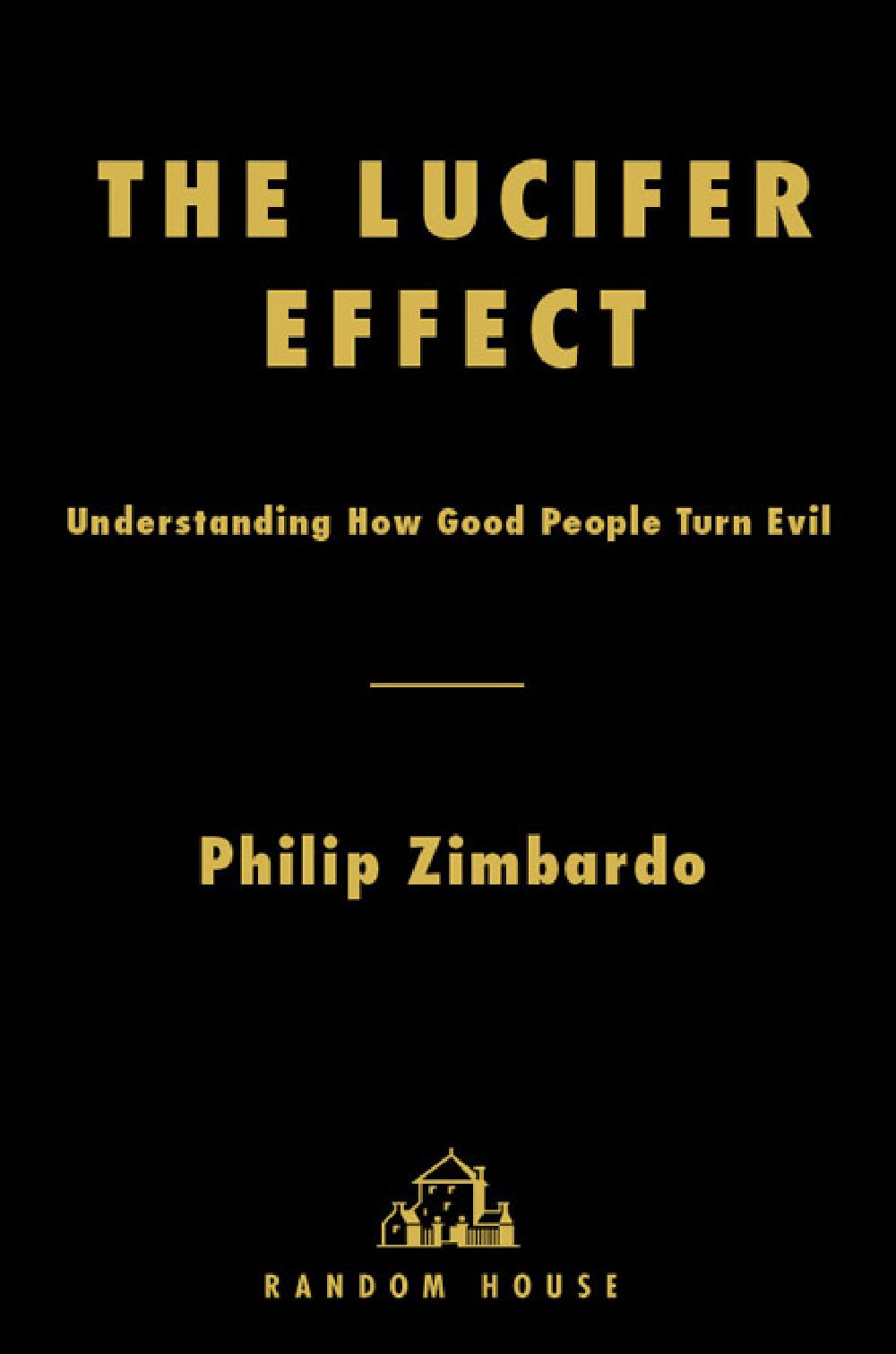
The Lucifer Effect: Understanding How Good People Turn Evil
Discover why good people turn evil in this classic analysis of the Stanford Prison Experiment by Philip Zimbardo — the authoritative, must-read work on the psychology of cruelty.
Want to preview before you buy? Click Request Free Sample and tell us which chapter or pages you’d like to see, along with your email address. We’ll send you those pages from the eBook so you can be sure it’s the right one before buying.
- Instant download & lifetime access Available as soon as your payment is confirmed. Your download link is also sent to the email address you provide at checkout, and you can download your purchased eBook anytime from My Account → Downloads with unlimited downloads. An account is created automatically using the same email address.
- Own your eBook Receive the available PDF/EPUB file directly after purchase. No rental or temporary access — download and keep your eBook for personal use with lifetime access.
- Full refund guarantee If the eBook you receive does not match the details and description provided on the product page, contact [email protected] and we’ll issue a full refund within 24 hours.
- Secure payment through PayPal Pay securely by debit or credit card or with your PayPal account. Your card details are processed by PayPal and are never stored on our site.
$24.99$60.00
The Challenge It Addresses
Why do ordinary, average, even good people commit acts of cruelty and evil? This is the haunting question at the heart of The Lucifer Effect by renowned psychologist Philip Zimbardo. Drawing directly from his groundbreaking Stanford Prison Experiment (SPE), Zimbardo dismantles the comfortable belief that evil is only done by monsters. Instead, he reveals a chilling truth: systemic forces, situational pressures, and institutional roles can corrupt anyone, and understanding this mechanism is the first step to resisting it.
The Lucifer Effect: Understanding How Good People Turn Evil at a Glance
The Lucifer Effect: Understanding How Good People Turn Evil is a seminal work in social psychology, published in 2007 by Random House. The book provides the definitive account of the Stanford Prison Experiment, while expanding far beyond it. Zimbardo integrates findings from Milgram’s obedience studies, Abu Ghraib prison abuses, and historical genocides to build a comprehensive framework for moral transformation. This 1st edition offers an unflinching analysis of the psychology of evil, exploring how anonymity, dehumanization, and conformity turn ethical individuals into perpetrators of harm.
The book is organized into three parts: a detailed narrative of the SPE, a broader analysis of systemic evil in real-world contexts, and a final section on resisting these influences and cultivating heroism. It is both a cautionary tale and a call to action for every reader to recognize and challenge the Lucifer Effect in their own lives.
Who Should Read This Book?
This book is essential for a wide range of readers who need to understand the dark side of human behavior:
- Psychology and Sociology Students: A core text for courses on social psychology, abnormal psychology, or criminology, providing primary source analysis of the SPE.
- Criminal Justice and Law Enforcement Professionals: Critical insight into how institutional power, peer pressure, and situational ethics can compromise officers and systems.
- Business Leaders and Managers: Understanding how corporate culture, hierarchies, and groupthink can lead to ethical lapses and organizational misconduct.
- Military and Government Personnel: Direct applications to leadership, ethical decision-making, and prevention of abuses in high-stakes environments.
- Anyone interested in human nature: If you have ever wondered what you would do in extreme circumstances, this book offers a rigorous, evidence-based exploration.
Key Takeaways
Reading The Lucifer Effect will fundamentally reshape how you understand morality and human behavior. Here are seven key takeaways:
- The psychology of the Stanford Prison Experiment: A step-by-step breakdown of how the study unfolded and why it had to be stopped after six days.
- Why good people turn evil: The situational and systemic forces that override individual morality, including authority, conformity, and anonymity.
- How dehumanization works: The cognitive and emotional steps that allow us to see others as less than human, justifying cruelty.
- The role of institutional power: How hierarchies, rules, and roles shape behavior more than personality traits.
- Lessons from Abu Ghraib: Zimbardo’s expert testimony on how the same psychological dynamics applied to the 2003 prison abuse scandal.
- Becoming a hero: Practical strategies to resist the Lucifer Effect and develop personal resilience against corrupting influences.
- Understanding evil as a process, not a trait: How small ethical compromises escalate into major violations — and how to stop the slide.
Why This Book Stands Out
While other books like Ordinary Men (Browning) or Obedience to Authority (Milgram) touch on similar themes, The Lucifer Effect provides unique depth and authority. Zimbardo was not a mere observer — he designed and ran the Stanford Prison Experiment himself. This insider perspective gives the book an unmatched level of credibility and detail. Additionally, the book integrates the SPE findings with modern case studies (Abu Ghraib, corporate scandals) and offers a prescriptive antidote (heroism training) that no competing title provides.
The book also benefits from Zimbardo’s accessible writing style. Complex psychological concepts are explained without jargon, making the material digestible for both academics and general readers. The 2007 publication date ensures contemporary relevance, and Random House’s editorial quality guarantees a well-researched, authoritative text.
Who Wrote This Book
Philip Zimbardo is one of the most famous living psychologists. He is Professor Emeritus of Psychology at Stanford University, where he taught for over 50 years. His landmark Stanford Prison Experiment (1971) remains one of the most cited and controversial studies in psychology. Zimbardo has received numerous awards for his teaching and research, including the Carl Sagan Award for Public Understanding of Science. In 2004, he served as an expert witness for one of the Abu Ghraib prison guards, an experience that directly informed this book.
Published by Random House, a premier publishing house with rigorous editorial standards, The Lucifer Effect has been vetted and endorsed by leading academics. The 1st edition (2007) is a carefully produced volume that remains the definitive treatment of the subject. This credibility makes the book a trusted resource for university courses, professional training, and personal education.
The Bottom Line
Absolutely. The Lucifer Effect is not just a book about a famous psychology experiment—it is a vital guide to understanding the roots of cruelty and the potential for resistance. For students, professionals, and curious readers, it delivers deep insights backed by rigorous research. The book’s combination of personal narrative (the SPE) and broad social analysis makes it both gripping and informative. If you want to understand how good people turn evil—and what you can do about it—this is the definitive resource.
Readers consistently praise the book for its clarity, depth, and relevance. Over 20 years after publication, it remains a top seller in social psychology and a go-to reference for discussions about ethics, power, and human nature.
Get Your Copy Today
If you are a psychology student researching the Stanford Prison Experiment, a professional navigating ethical gray zones, or simply someone seeking to understand the darkest corners of human nature, The Lucifer Effect is the one book you cannot afford to miss. This 2007 edition from Random House provides the complete, authoritative account written by the psychologist who ran the study himself. Order your copy today and gain the insight that will change how you see the world — and yourself.
Related products

A History of Modern Psychology, 5th Edition – C. James Goodwin
$5.00Goodwin’s 5th edition offers a comprehensive, engaging history of modern psychology. Perfect for students and professionals—get your digital copy now!
$15.00-
The Psychology of Emotion, 5th Edition – K.T. Strongman
$25.99Get the 5th edition of The Psychology of Emotion by K.T. Strongman — a comprehensive guide to emotion theories with everyday examples. Order your digital copy today.
$74.00 -
Theories of Development: Concepts and Applications (6th Edition)
$22.00Get the 6th edition of Crain’s classic text covering 24 developmental theorists. Ideal for psychology students. Order your digital copy today!
$49.00 -
Case Study Research and Applications: Design & Methods, 6e
$19.99Master case study research with the definitive Sixth Edition of Case Study Research and Applications: Design and Methods. Order now for instant access.
$48.00 -
Data Baby: My Life in a Psychological Experiment – Susannah Breslin
$9.00In Data Baby, Susannah Breslin reveals her extraordinary life as a lab rat in a 30-year psychological study. Get your copy today!
$14.00 -
Ethical, Legal, and Professional Issues in Counseling, 6th Ed
$49.99Master ethical practice with the 6th edition of Ethical, Legal, and Professional Issues in Counseling. Essential for students and professionals. Order today.
$119.00 -
American Government 101: Everything You Need to Know About U.S. Politics
$3.00Master US politics with American Government 101 – the concise, engaging guide to elections, the Constitution, and how government works. Order now!
$9.00 -
Groups: Process and Practice 10th Edition – Group Counseling Text
$30.00Master group counseling with Corey & Corey’s 10th Edition – the definitive guide blending theory, ethics, and practical skills for students and professionals.
$79.00