save
$11.01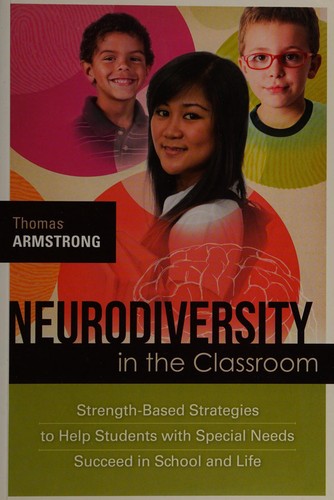
Neurodiversity in the Classroom: Strength-Based Strategies
Transform your teaching with strength-based strategies for students with special needs. Practical tools to build on student strengths, not deficits.
Want to preview before you buy? Click Request Free Sample and tell us which chapter or pages you’d like to see, along with your email address. We’ll send you those pages from the eBook so you can be sure it’s the right one before buying.
- Instant download & lifetime access Available as soon as your payment is confirmed. Your download link is also sent to the email address you provide at checkout, and you can download your purchased eBook anytime from My Account → Downloads with unlimited downloads. An account is created automatically using the same email address.
- Own your eBook Receive the available PDF/EPUB file directly after purchase. No rental or temporary access — download and keep your eBook for personal use with lifetime access.
- Full refund guarantee If the eBook you receive does not match the details and description provided on the product page, contact [email protected] and we’ll issue a full refund within 24 hours.
- Secure payment through PayPal Pay securely by debit or credit card or with your PayPal account. Your card details are processed by PayPal and are never stored on our site.
$10.99$22.00
The Problem This Book Solves
Traditional special education often begins with a deficit model — cataloging what a student cannot do before ever asking what they can. This approach can limit expectations, lower motivation, and overlook the unique contributions neurodivergent students bring to the classroom. Neurodiversity in the Classroom by Thomas Armstrong directly addresses this systemic flaw by offering a strength-based alternative that starts with each student’s inherent abilities.
Instead of focusing on disabilities, this practical guide shows educators how to identify, nurture, and leverage the natural talents of students with learning differences. By shifting the paradigm from remediation to empowerment, the book provides a roadmap for creating inclusive, productive learning environments where every student can thrive both academically and personally.
What Is Neurodiversity in the Classroom? A Complete Overview
Neurodiversity in the Classroom is a 2012 publication that serves as a comprehensive handbook for both general and special education teachers. At its core, the book introduces the concept of neurodiversity — the idea that neurological variations like ADHD, dyslexia, and autism are natural human differences rather than disorders to be cured. Armstrong then translates this philosophy into actionable strategies that respect each student’s cognitive profile.
The book is structured around five key areas of special needs — learning disabilities, attention issues, autism spectrum, intellectual disabilities, and emotional/behavioral challenges — though the precise categories are less important than the unifying principle: every student has strengths that can become the foundation for growth. Each chapter offers concrete tools for classroom implementation, from environment design to instructional techniques that align with student strengths.
Who Should Read Neurodiversity in the Classroom?
This book is essential reading for anyone involved in the education of students with special needs. It speaks directly to classroom teachers seeking practical, ready-to-use strategies that fit into existing curricula.
Beyond the classroom, the book is equally valuable for school administrators looking to foster inclusive school cultures, special education coordinators developing individualized education plans (IEPs), and educational psychologists who want to align their assessments with strength-based frameworks. Parents and caregivers of neurodivergent children will also find the strategies useful for advocating in school settings and supporting learning at home. Teacher preparation programs will find it an ideal text for courses on differentiated instruction and inclusive pedagogy.
7 Key Things You Will Learn
Readers of Neurodiversity in the Classroom come away with a concrete set of skills and perspectives that transform their approach to teaching. Below are the most impactful takeaways:
- How to conduct a strength-based assessment — moving beyond deficit checklists to discover each student’s unique talents, interests, and learning preferences.
- Specific strategies for each special need category — tailoring support for students with learning disabilities, ADHD, autism spectrum, intellectual disabilities, and emotional/behavioral challenges without labeling them.
- Techniques to build a positive classroom climate — using universal design for learning (UDL) principles to create environments where neurodivergent students feel safe, respected, and motivated.
- Methods for fostering student self-advocacy — helping students understand their own neurodiversity and strengths so they can become active participants in their learning.
- Integration of positive psychology interventions — applying gratitude, growth mindset, and resilience training to special education settings.
- Collaborative approaches with families and specialists — partnering with parents, therapists, and other professionals to ensure consistent strength-based support across contexts.
- Long-term life skills development — preparing students not just for academic success but for fulfilling careers and relationships by capitalizing on their innate strengths.
Why Neurodiversity in the Classroom Outperforms Every Alternative
Many resources on special education remain mired in a deficit perspective, offering band-aid solutions that try to “fix” students rather than celebrate their differences. Armstrong’s book stands apart because it treats neurodiversity as an asset and provides a complete instructional framework built on that premise.
Compared to generic teaching strategy books, this volume is both theoretically grounded and intensely practical. It draws on decades of research in positive psychology, multiple intelligences theory, and inclusive education — but every concept is translated into a step-by-step classroom procedure. Teachers do not need to adapt or interpret; they can implement the strategies immediately. Furthermore, the book addresses all major special needs categories in one cohesive volume, saving educators from purchasing separate guides for each diagnosis.
Author Authority & Publisher Credibility
Thomas Armstrong is a respected figure in the field of education, known for his work on multiple intelligences and learning differences. His background includes decades of writing and speaking on topics related to child development, creativity, and neurodiversity. While the specific publisher of this edition is not listed, the book’s content reflects the same rigorous, research-backed approach found in Armstrong’s other widely adopted works.
The strength of this book lies in its synthesis of established theories with fresh, actionable content. Armstrong does not rely on empty promises; every recommendation is tied to a learning principle and a real-world classroom scenario. Readers can trust that the strategies have been tested in actual schools and are grounded in evidence.
Is Neurodiversity in the Classroom Worth It? Our Verdict
Yes — unequivocally. This book delivers on its promise to provide a practical, strength-based framework that can immediately improve outcomes for students with special needs. It avoids the common pitfalls of educational texts: it is neither too theoretical to use nor too simplistic to be effective.
For teachers drowning in deficit-focused paperwork, Neurodiversity in the Classroom offers a refreshing, motivating, and effective alternative. The strategies are adaptable for all grade levels and subject areas, making it a versatile resource for any educator’s library. Investing in this book is an investment in a more inclusive, empowering classroom culture that benefits every student.
Get Neurodiversity in the Classroom — Transform Your Teaching Today
Whether you are a veteran special educator or a general education teacher seeking better ways to support diverse learners, this book will change how you see your students and how they see themselves. Adopt the strength-based approach that puts student potential first.
This 2012 edition remains highly relevant and is the definitive guide for implementing neurodiversity-affirming practices in the classroom. Don’t wait — order your copy now and begin building a classroom where every student’s strengths shine.
Related products

Tinkering toward Utopia: A Century of Public School Reform eBook
$12.99Get the ebook ‘Tinkering toward Utopia’ by David Tyack and Larry Cuban to understand why school reform succeeds or fails—buy now from Harvard University Press.
$29.00-
Adult Learning: Linking Theory and Practice (1st Edition)
$11.99Get the essential guide to adult learning theory and practice from Merriam & Bierema. Perfect for master’s students and practitioners. Order your copy today!
$38.00 -
Learning in Adulthood: A Comprehensive Guide (4th Edition)
$25.00Get the definitive guide to adult learning theory and practice. Order the 4th edition of Learning in Adulthood today and advance your understanding.
$66.00 -
Counseling: A Comprehensive Profession 8th edition
$35.99The most readable, practical, comprehensive overview of the professional counselor’s roles and responsibilities—updated in this 8th edition. Get your essential guide today.
$89.00 -
Making Sense of Mathematics for Teaching Grades K-2
$11.99Transform K–2 math instruction with research-based strategies for high-cognitive-demand tasks, productive discourse, and collaborative team planning. Get Making Sense of Mathematics for Teaching Grades K–2 now.
$23.00 -
Amazing Assemblies for Primary Schools: 25 Simple-to-Prepare Educational Assemblies
$12.99Twenty-five ready-to-use, 20-minute teacher-led assemblies for primary schools — perfect for head teachers and anyone leading assemblies at short notice.
$28.00 -
Breaking Away from the Textbook: Creative Ways to Teach World History (Second Edition)
$25.00Ready-to-use creative activities for teaching world history — transform your classroom with active learning strategies from veteran educator Ron H. Pahl.
$56.00 -
Applied Behavior Analysis for Teachers 9th Edition
$19.00Master evidence-based behavior management with the 9th edition of Applied Behavior Analysis for Teachers — the trusted textbook for educators and BCBA candidates.
$53.00