save
$20.01
Learning Domain-Driven Design: Aligning Software Architecture and Business Strategy
Master the patterns to align software architecture with business strategy — get the practical DDD guide by Vlad Khononov, O’Reilly Media.
$17.99$38.00
Why This Book Matters
Modern software development is plagued by a critical disconnect: business strategy and technical architecture evolve in silos. Teams build elegant code that fails to solve real business problems, while strategic decisions crumble under brittle, unmaintainable systems. This gap leads to costly rework, missed market opportunities, and software that fights the very domain it was meant to serve.
Vlad Khononov’s Learning Domain-Driven Design delivers a proven framework to bridge this divide. It equips architects, developers, and technical leaders with the patterns and practices to analyze business domains deeply, align software design with strategic intent, and build systems that adapt as the business evolves.
What Is Learning Domain-Driven Design: Aligning Software Architecture and Business Strategy? A Complete Overview
Learning Domain-Driven Design is a practical, pattern-driven guide published by O’Reilly Media in its First Edition (2021). The book teaches you how to apply domain-driven design (DDD) principles—from tactical patterns like aggregates and domain events to strategic design with bounded contexts and context mapping—to create software that mirrors business complexity without becoming complex itself.
Rather than a theoretical treatise, this book is a hands-on resource. Khononov walks through real-world scenarios, showing how to decompose a business domain into manageable subdomains, discover ubiquitous language, and implement a clean architecture that keeps business logic front and center. The result is software that is more maintainable, more flexible, and more aligned with business goals.
Who Will Benefit Most
This book is designed for software architects, senior developers, technical leads, and engineering managers who have foundational knowledge of object-oriented programming and design patterns. If you’ve struggled to keep your software architecture in sync with evolving business requirements, this is your playbook.
It is also highly valuable for product managers and business analysts who want to understand how technical decisions impact strategic outcomes. The book’s emphasis on ubiquitous language and domain discovery makes it a cross-functional tool for aligning technical and non-technical stakeholders.
Beginners to DDD will appreciate the clear progression from tactical to strategic patterns, while experienced practitioners will find deep insights into event storming, aggregate design, and context mapping that can be immediately applied to their projects.
Key Takeaways
This book delivers actionable knowledge across the full DDD spectrum. Here are the core competencies you will master:
- Domain Analysis: How to decompose complex business domains into core, supporting, and generic subdomains, and identify the strategic value of each.
- Ubiquitous Language: Techniques for building a shared, precise vocabulary between domain experts and developers that eliminates miscommunication and drives accurate modeling.
- Tactical Patterns: Practical implementation of entities, value objects, aggregates, repositories, domain events, and services to create a rich, expressive domain model.
- Strategic Design: How to use bounded contexts, context maps, and relationships (partnership, shared kernel, anticorruption layer) to manage complexity across large systems.
- Event Storming: A step-by-step guide to facilitating collaborative workshops that uncover domain knowledge and produce high-quality domain models.
- Architecture Alignment: How to map DDD patterns to modern architectural styles like microservices, event-driven architecture, and hexagonal architecture for long-term flexibility.
Why Choose This Edition
Several books cover DDD, but none match the practical, modern approach of Khononov’s work. Eric Evans’ seminal Domain-Driven Design (the “Blue Book”) is the foundational text but can be dense and theoretical for practitioners seeking immediate application. Vaughn Vernon’s Implementing Domain-Driven Design offers deep implementation detail but is heavily focused on Java and .NET ecosystems.
Learning Domain-Driven Design bridges this gap. It distills the core patterns into a clear, progressive narrative that is technology-agnostic. Whether you work in Java, C#, Python, JavaScript, or Go, the principles apply directly. The book also incorporates modern practices like event storming and strategic domain-driven design that are essential for today’s microservices and distributed systems landscape.
Furthermore, the book’s structure—moving from tactical to strategic patterns—mirrors how most teams naturally encounter DDD challenges. You start by modeling a single bounded context, then learn how multiple contexts interact. This scaffolded learning path reduces cognitive load and accelerates adoption.
Author & Publisher Credentials
Vlad Khononov is a recognized authority in domain-driven design and software architecture. He has spent years applying DDD patterns in production environments across startups and enterprises, and he shares his hard-won experience transparently throughout the book. His blog and conference talks on DDD, microservices, and strategic design have influenced thousands of developers worldwide.
The book is published by O’Reilly Media, the gold standard for technical books in the software industry. O’Reilly’s rigorous editorial process ensures that every chapter is technically accurate, well-structured, and free from vendor bias. The First Edition (2021) has been thoroughly reviewed by practitioners and domain experts, making it a trusted resource for professionals seeking to level up their architecture skills.
The Bottom Line
Absolutely. This is not a book you read once and shelve—it is a reference you will return to as you tackle each new domain or architectural challenge. The patterns are presented with enough depth to be immediately useful, yet the book avoids drowning you in academic detail.
For the price of a few hours of consulting time, you gain a framework that can save months of rework on misaligned software projects. The return on investment is clear: fewer integration headaches, faster onboarding of new team members, and software that adapts to business change rather than resisting it.
If you are serious about building software that delivers lasting business value, this is an essential addition to your library.
Start Reading Learning Domain-Driven Design: Aligning Software Architecture and Business Strategy Today
Your software should be an asset, not a liability. With Learning Domain-Driven Design, you gain the patterns, principles, and practices to ensure every line of code you write serves a clear business purpose. Whether you are an architect designing a new system or a developer refactoring legacy code, this book gives you the tools to succeed.
Add to cart now and start building software that truly aligns with your business strategy. Published by O’Reilly Media in its authoritative First Edition (2021), this is the definitive guide for modern DDD practitioners.
Related products

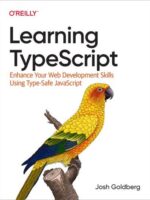
Learning TypeScript: Enhance Your Web Development with Type-Safe JavaScript
$26.99Master TypeScript from scratch with Josh Goldberg’s definitive guide. Build type-safe, maintainable web applications with hands-on exercises and real-world patterns.
$60.00-
Nonprofit Management: Principles and Practice (5th Edition)
$22.99Master nonprofit leadership with this comprehensive 5th edition—updated research, real-world cases, and actionable frameworks for students and professionals.
$65.00 -
Microsoft Power BI Data Analyst Associate Study Guide
$8.00Pass the PL-300 exam with 2025 revisions and build real-world Power BI skills. This comprehensive guide by Paul Turley combines exam prep with best practices for Azure and Microsoft Fabric.
$9.00 -
Encyclopedia of Counseling: NCE & CPCE Exam Prep 4th Edition
$19.99Ace the NCE, CPCE, and state counseling exams with the comprehensive 4th edition of Encyclopedia of Counseling – over 2,100 practice questions included.
$56.00 -
Object-Oriented Design Choices – Adair Dingle (1st Edition)
$23.99Master object-oriented design choices with this essential guide to composition, inheritance, and delegation trade-offs for better software design.
$46.00 -
Becoming a Helper 7th Edition – Corey & Corey Cengage MindTap
$20.99Becoming a Helper 7th Edition: The trusted guide to mastering the helping process—self-awareness, ethics, and core skills for counseling and human services students.
$52.00 -
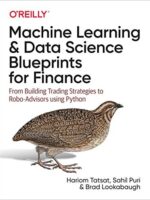
Machine Learning and Data Science Blueprints for Finance
$16.00Build powerful trading strategies and robo-advisors with Python using this hands-on machine learning blueprint for finance professionals.
$26.00 -
Airline Transport Pilot Test Prep 2020: FAA ATP Study Guide & Prepware
$15.99Pass your Airline Transport Pilot (ATP) knowledge test with the 2020 edition of the most trusted training resource. Over 900 exam questions included.
$49.00