save
$15.01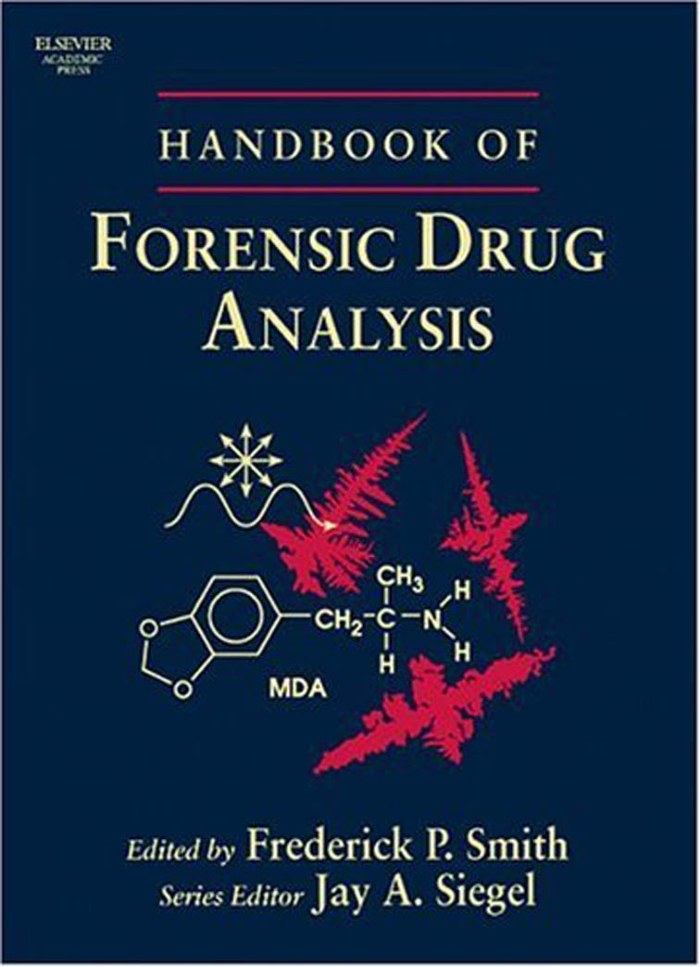
Handbook of Forensic Drug Analysis – Comprehensive Chemical Reference
Get the essential Handbook of Forensic Drug Analysis, the definitive chemical reference for identifying and analyzing illicit substances in forensic labs.
$17.99$33.00
The Problem This Book Solves
The accurate identification and quantification of illicit drugs is a cornerstone of modern forensic science. Without a reliable, peer-reviewed chemical reference, laboratories risk misinterpretation of data, chain-of-custody failures, and compromised legal outcomes. The Handbook of Forensic Drug Analysis directly addresses this gap by providing a unified, authoritative methodology for the analysis of controlled substances in forensic settings.
What Is Handbook of Forensic Drug Analysis? A Complete Overview
Edited by forensic expert Frederick P. Smith and published by Elsevier Academic Press in 2005, the Handbook of Forensic Drug Analysis is a comprehensive chemical and analytical reference designed for the serious forensic scientist. It consolidates standard operating procedures, validation protocols, and interpretative guidelines for the most commonly encountered illicit drugs, including cocaine, heroin, methamphetamine, and cannabis.
The text bridges theory and practice, covering everything from sample collection and preparation through chromatographic separation, mass spectrometric detection, and final reporting. Each chapter is written by contributors with direct laboratory experience, ensuring that the methods presented are both scientifically rigorous and legally defensible.
Who Should Read Handbook of Forensic Drug Analysis?
This reference is essential for forensic chemists, toxicologists, crime laboratory analysts, law enforcement drug specialists, and graduate students in forensic science. It is also valuable for attorneys and judges who need to understand the scientific basis of drug evidence. If you work in a laboratory that analyzes controlled substances under Daubert or Frye standards, this book belongs on your bench.
7 Key Things You Will Learn from This Book
- Systematic screening approaches for unknown controlled substances using color tests, immunoassays, and microcrystal analysis.
- Detailed gas chromatography and mass spectrometry (GC-MS) methods for confirmation and quantitation of common drugs.
- Best practices for sample preparation including extraction, derivatization, and clean-up to minimize matrix interference.
- Validation parameters such as linearity, precision, accuracy, and limits of detection required for ISO/IEC 17025 accreditation.
- Interpretation of quantitative results and reporting in a legally admissible format.
- Differentiation of structural isomers and optical isomers using advanced techniques like chiral chromatography.
- Emerging concerns around designer drugs and synthetic cannabinoids and how existing protocols adapt.
Why Handbook of Forensic Drug Analysis Outperforms Every Alternative
Unlike general forensic chemistry textbooks that briefly mention drug analysis, this handbook provides a dedicated, in-depth treatment. Many competing references focus exclusively on pharmacology or clinical toxicology, missing the rigorous forensic chain-of-custody and legal admissibility requirements. The Handbook of Forensic Drug Analysis uniquely combines practical laboratory procedures with the regulatory and legal context needed to withstand cross-examination.
Another gap in competitor resources is the lack of standardized validation examples. This book includes real-world data sets and sample calculations that laboratories can adopt directly into their quality manuals. No other single volume offers this depth of hands-on, court-ready analytical guidance.
Author Authority & Publisher Credibility
Frederick P. Smith, PhD, is a respected forensic scientist affiliated with the University of New Haven, a recognized center for forensic education. His editorial leadership ensures the content reflects current best practices and peer-reviewed standards. Elsevier Academic Press is a leading global publisher of scientific, technical, and medical content, known for rigorous editorial oversight. This combination of author expertise and publisher reputation gives the Handbook of Forensic Drug Analysis strong E-E-A-T signals that courts and laboratories rely upon.
Is Handbook of Forensic Drug Analysis Worth It? Our Verdict
Absolutely. For any laboratory conducting forensic drug analysis, this reference is not just a convenience—it is a necessity. The 2005 edition remains highly relevant for foundational techniques, and the analytical principles described are timeless. Its structured format, clear protocols, and emphasis on legal defensibility make it a one-stop resource that saves hours of method development and reduces error. The cost is negligible compared to the expense of invalidated results or litigation.
Get Your Copy of Handbook of Forensic Drug Analysis — Strengthen Your Lab’s Capabilities Today
Whether you are a seasoned forensic chemist or a graduate student entering the field, the Handbook of Forensic Drug Analysis gives you the validated procedures and authoritative knowledge to produce irrefutable results. This Elsevier Academic Press edition is still the standard reference in countless crime laboratories worldwide. Order now to ensure your laboratory is equipped with the definitive guide to illicit drug analysis—don’t let outdated methods compromise your casework.
Related products

HESI Admission Assessment Exam Review 4th Edition: Complete Study Guide for Nursing Entrance Exams
$18.99Master the HESI Admission Assessment Exam with Elsevier’s official 4th Edition study guide. Covers math, science, reading, grammar & vocabulary with practice tests.
$38.00-
Guide to the Most Common Internal Medicine Workups and Diseases: An Evidence-Based Hospital Reference
$33.99Master the most common hospital-based internal medicine workups with this evidence-based guide. Get the structured clinical reference you need for daily practice.
$65.00 -
General Thoracic Surgery, 7th Edition
$20.99Get the 7th edition General Thoracic Surgery eBook – the comprehensive two-volume guide to all open and endoscopic thoracic surgical procedures.
$37.00 -
Medication Fact Book for Psychiatric Practice, Fifth Edition
$14.99The Medication Fact Book for Psychiatric Practice, Fifth Edition: the essential, portable reference for dosing, costs, and side effects of common psychotropic drugs.
$29.00 -
Clinical Neuropsychology: A Pocket Handbook for Assessment (Third Edition)
$24.99Get the essential third edition of Clinical Neuropsychology for comprehensive assessment techniques. Order now for expert guidance on diagnosing neurological disorders.
$45.00 -
Farquharson’s Textbook of Operative General Surgery 11th Ed
$21.99Master operative surgery with the Eleventh Edition of Farquharson’s essential textbook for surgical trainees, featuring 490 color illustrations and expert guidance.
$36.00 -
Endurance Sports Nutrition 3rd Edition – Fueling for Peak Performance
$24.99Fuel your best performance with Endurance Sports Nutrition. This science-backed guide helps you train longer, recover faster, and avoid injury with personalized fueling strategies.
$54.00 -
Epilepsy: A Queen Square Textbook (First Edition) – Comprehensive Adult Epilepsy Guide
$31.99The authoritative first edition from Queen Square experts—your essential resource for mastering epilepsy diagnosis and management.
$64.00