save
$32.01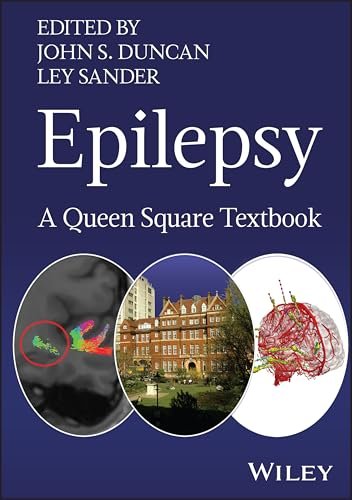
Epilepsy: A Queen Square Textbook (First Edition) – Comprehensive Adult Epilepsy Guide
The authoritative first edition from Queen Square experts—your essential resource for mastering epilepsy diagnosis and management.
$31.99$64.00
The Problem This Book Solves
Epilepsy remains one of the most complex neurological disorders, affecting millions worldwide. Clinicians, researchers, and students often struggle to find a single, authoritative source that integrates the latest scientific advances with practical clinical guidance. Fragmented knowledge across epileptogenesis, neuroimaging, pharmacology, and surgery leads to gaps in patient care. Epilepsy: A Queen Square Textbook bridges this divide, providing a unified, evidence-based framework from the world-renowned Queen Square Institute of Neurology.
This first edition addresses the pressing need for a modern reference that synthesizes decades of expertise into actionable insights. Whether you are diagnosing a first seizure, managing refractory epilepsy, or considering surgical options, this textbook equips you with the depth and clarity required to make informed decisions.
What Is Epilepsy: A Queen Square Textbook? A Complete Overview
Epilepsy: A Queen Square Textbook is a comprehensive, cutting-edge guide to adult epilepsy, edited by Professor John S. Duncan and Professor Ley Sander. Published in 2026 by John Wiley & Sons Ltd, this first edition distills the collective wisdom of the UCL Queen Square Institute of Neurology into a single volume. It covers the full spectrum of epilepsy care, from fundamental neuroscientific principles to advanced therapeutic strategies.
The textbook is organized to serve both as a deep reference and a practical manual. Core topics include definitions and classification, epidemiology, genetic and acquired causes, neurophysiology, neuroimaging, pharmacotherapy, epilepsy surgery, and psychosocial aspects. Each chapter is written by leading specialists, ensuring evidence-based content that reflects the latest research and clinical trials.
Who Should Read Epilepsy: A Queen Square Textbook?
This book is designed for a broad audience of professionals involved in epilepsy care and research. It is ideally suited for:
- Neurologists and epileptologists seeking a state-of-the-art clinical reference for diagnosis and management
- Neurosurgeons specializing in epilepsy surgery who need detailed anatomical and electrophysiological guidance
- Neurophysiologists and radiologists interpreting EEG, MEG, MRI, and functional imaging in epilepsy patients
- Psychiatrists and neuropsychologists addressing the psychiatric and cognitive comorbidities of epilepsy
- Researchers and academics in epilepsy neuroscience who require a comprehensive overview of current knowledge
- Residents and fellows in neurology or neurosurgery building foundational expertise
- Clinical pharmacists and advanced practice providers involved in antiepileptic drug therapy
If you are a clinician, scientist, or trainee who regularly encounters patients with seizures or epilepsy, this textbook will become your go-to resource.
7 Key Things You Will Learn
By studying Epilepsy: A Queen Square Textbook, you will gain mastery across seven critical domains:
- Modern definitions and classification – Understand the ILAE classification system for seizure types, epilepsy syndromes, and epilepsies.
- Pathophysiology of epileptogenesis – Explore the cellular and molecular mechanisms that transform a normal brain into one prone to spontaneous seizures.
- Advanced neuroimaging techniques – Learn how structural and functional MRI, PET, and SPECT localize epileptic foci and guide surgical planning.
- Pharmacological principles and antiepileptic drugs (AEDs) – Compare first‐line therapies, mechanisms of action, side effects, and drug interactions.
- Surgical evaluation and techniques – Navigate the workup for drug‐resistant epilepsy, including video‐EEG monitoring, invasive recordings, and resective surgery.
- Comorbidities and quality of life – Address depression, anxiety, cognitive decline, and social stigma as integral parts of epilepsy care.
- Emerging therapies and clinical trials – Stay abreast of neuromodulation devices, gene therapies, and novel AEDs under investigation.
Why Epilepsy: A Queen Square Textbook Outperforms Every Alternative
Numerous epilepsy textbooks exist, but none match the unique combination of royal institutions and clinical pragmatism found in this first edition. Competing volumes often cover either basic science or clinical practice, but Epilepsy: A Queen Square Textbook seamlessly integrates both. The editors, John S. Duncan and Ley Sander, are internationally recognized leaders who have shaped the field over decades—their oversight ensures consistency and authority across chapters.
Unlike many books that become outdated within a few years, this 2026 edition incorporates the most recent diagnostic criteria, drug approvals, and surgical innovations. The focus on adult epilepsy allows for deeper treatment than general neurology texts. Additionally, the textbook benefits from the Queen Square ecosystem: close collaboration with the National Hospital for Neurology and Neurosurgery, the UCL Queen Square Institute of Neurology, and a network of world‐class specialists. No other epilepsy textbook offers this level of institutional credibility in a single volume.
Furthermore, the book includes dedicated sections on neuropsychiatry, neuropsychology, and social issues—areas often neglected in purely technical works. This holistic approach makes it invaluable for multidisciplinary teams.
Author Authority & Publisher Credibility
Professor John S. Duncan is Professor of Neurology at the UCL Queen Square Institute of Neurology and a Consultant Neurologist at the National Hospital for Neurology and Neurosurgery. He has published over 300 peer-reviewed articles and leads major epilepsy imaging and treatment trials. Professor Ley Sander is Professor of Neurology at UCL and Director of the Epilepsy Institute in the Netherlands; he is one of the most cited epileptologists globally, with expertise in epidemiology and clinical management.
The publisher, John Wiley & Sons Ltd, is a trusted name in academic and medical publishing, known for rigorous peer review and high production standards. Their involvement guarantees that this first edition undergoes editorial scrutiny matching the highest scientific benchmarks.
Is Epilepsy: A Queen Square Textbook Worth It? Our Verdict
For any clinician or researcher dedicated to epilepsy care, this textbook is an indispensable investment. It consolidates the fragmented literature into one accessible source, saving countless hours of searching. The emphasis on practical, evidence‐based strategies means that knowledge gained from these pages translates directly to better patient outcomes.
We give it our highest recommendation for neurologists, epileptologists, neurosurgeons, and trainees who want a definitive reference that will remain relevant for years. The first edition status does not diminish its value—it captures a moment of rapid progress with authority and clarity.
Get Your Copy of Epilepsy: A Queen Square Textbook – Master Adult Epilepsy Care Today
Take the next step in your professional development. Whether you are preparing for boards, updating your clinical protocols, or diving into epilepsy research, Epilepsy: A Queen Square Textbook delivers the comprehensive guidance you need. Order the eBook now from a trusted source and gain instant access to the gold standard in epilepsy education.
Add to cart and join the thousands of clinicians who rely on Queen Square expertise to transform epilepsy care.
Related products

Medication Fact Book for Psychiatric Practice, Fifth Edition
$14.99The Medication Fact Book for Psychiatric Practice, Fifth Edition: the essential, portable reference for dosing, costs, and side effects of common psychotropic drugs.
$29.00-
Endurance Sports Nutrition 3rd Edition – Fueling for Peak Performance
$24.99Fuel your best performance with Endurance Sports Nutrition. This science-backed guide helps you train longer, recover faster, and avoid injury with personalized fueling strategies.
$54.00 -
Davis’s Comprehensive Handbook of Laboratory & Diagnostic Tests, 8th Edition
$26.99Master every lab and diagnostic test with nursing implications you can trust. The 8th edition of Davis’s Comprehensive Handbook is your pocket-sized guide to accurate interpretation and safe patient care.
$56.00 -
Vascular Access: Principles and Practice 5th Edition – Comprehensive Textbook
$13.99Master all aspects of vascular access for hemodialysis, chemotherapy, nutrition, and critical care with this practical 5th edition textbook by Samuel Eric Wilson. Get the definitive how-to guide now.
$24.00 -
Diseases and Disorders: A Nursing Therapeutics Manual, 6th Edition — Marilyn Sawyer Sommers
$20.99Master 240+ diseases with nursing diagnoses, interventions, and patient teaching — all in one portable, evidence-based manual for students and clinicians.
$39.00 -
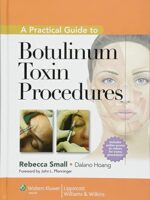
Botulinum Toxin Procedures: A Practical Guide to – eBook
$12.99Master Botulinum Toxin Procedures with this practical guide. Step-by-step instructions, anatomy, and patient selection for safe, effective treatments.
$21.00 -
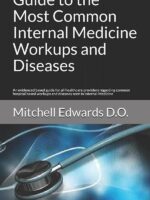
Guide to the Most Common Internal Medicine Workups and Diseases: An Evidence-Based Hospital Reference
$33.99Master the most common hospital-based internal medicine workups with this evidence-based guide. Get the structured clinical reference you need for daily practice.
$65.00 -
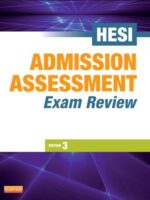
HESI Admission Assessment Exam Review (Third Edition) – Study Guide
$29.99Prepare for the HESI Admission Assessment Exam with over 450 practice questions and comprehensive content review from Elsevier’s trusted Third Edition.
$66.00